 Pin it
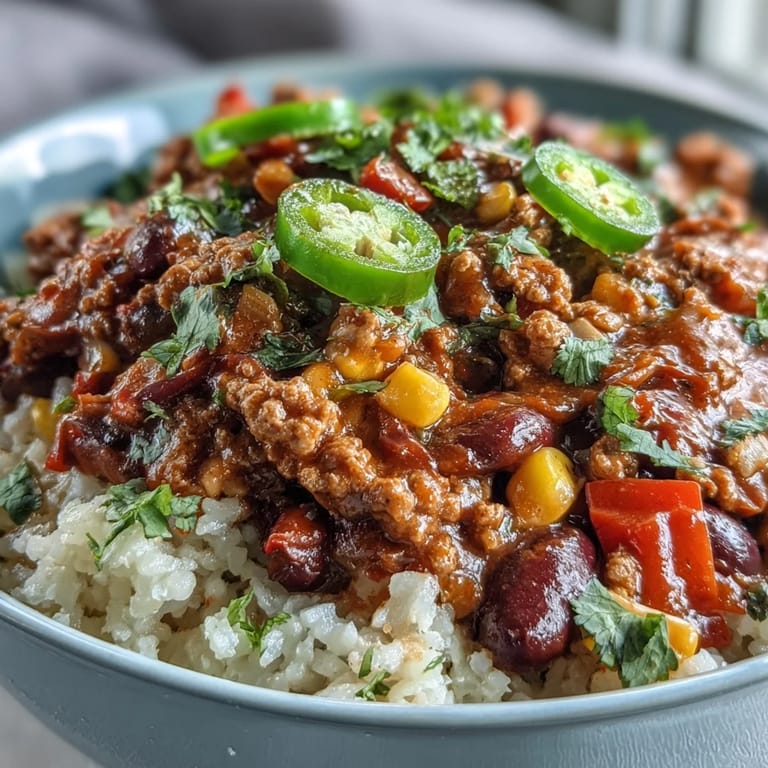
 There's something about a bowl of chili that stops time. My kitchen was chaos that particular Tuesday—mail everywhere, two projects half-finished on the counter—when I decided the only antidote was to make something warm and unfussy. I chopped vegetables without a plan, threw them into hot oil, and watched the magic happen as the spices bloomed. By the time the chili had simmered down to something dark and fragrant, the whole mood of the day had shifted.
I made this for my neighbor Marcus who'd just moved in, and watching him taste it made me realize how much of cooking is about connection. He went back for seconds and asked what the secret was, and honestly, there isn't one—just good ingredients treated with care and time. That bowl became the start of us becoming friends.
Ingredients
- Olive oil: Use a good quality one because this is where the flavor starts; I learned the hard way that cheap oil tastes exactly like cheap oil.
- Onion and garlic: The foundation of everything; don't rush the sauté or you'll miss the moment when they turn sweet and fragrant.
- Bell peppers (red and green): They add color and a subtle sweetness that balances the spices beautifully.
- Ground beef: You can swap this for turkey to lighten it up, or use a plant-based version if that's your style.
- Tomato paste: A small spoonful packed with concentrated flavor; cook it for a minute to deepen its richness.
- Diced tomatoes: Canned is perfectly fine and actually more consistent than trying to manage fresh tomatoes.
- Kidney and black beans: Rinse them thoroughly to remove the canning liquid, which keeps your chili from getting too thick.
- Corn kernels: Fresh in summer is wonderful, but frozen works just as well and honestly saves time.
- Chili powder, cumin, and smoked paprika: These three are the soul of the dish; toast them mentally as you're adding them so you remember they're what makes this taste like home.
- Broth: The liquid that pulls everything together; I've used both beef and vegetable, and both are delicious.
Tired of Takeout? 🥡
Get 10 meals you can make faster than delivery arrives. Seriously.
One email. No spam. Unsubscribe anytime.
Instructions
- Heat and soften:
- Pour olive oil into a large pot over medium heat and let it shimmer slightly. Add the diced onion and sauté for 2 to 3 minutes, stirring occasionally, until the edges turn translucent and soft.
- Build the aromatics:
- Stir in the minced garlic and diced bell peppers, letting them cook for another 3 to 4 minutes until the peppers begin to soften. You'll smell the garlic release its perfume, which is your signal to move forward.
- Brown the meat:
- Add your ground beef to the pot and break it up as it cooks with a wooden spoon, stirring frequently until it's no longer pink and completely browned. This usually takes about 5 minutes, and you're looking for no trace of gray.
- Deepen the flavor:
- Stir in the tomato paste and let it cook undisturbed for about 1 minute, which transforms it from raw and sharp to rich and concentrated.
- Combine everything:
- Add the diced tomatoes, both cans of beans, corn, and all your spices—chili powder, cumin, smoked paprika, oregano, salt, pepper, and cayenne if you want heat. Stir everything together thoroughly so the spices coat everything evenly.
- Simmer low and slow:
- Pour in the broth, bring the mixture to a gentle simmer, then reduce the heat to low. Cover the pot and let it cook for 25 to 30 minutes, stirring occasionally, until the flavors have melded and the chili has thickened slightly.
- Prepare your base:
- While the chili simmers, cook your rice or grains according to package directions; you want them warm and ready when the chili is done.
- Assemble and serve:
- Spoon warm rice or grains into bowls, ladle the hot chili over the top, and set out your chosen toppings so everyone can customize their meal exactly as they like it.
 Pin it
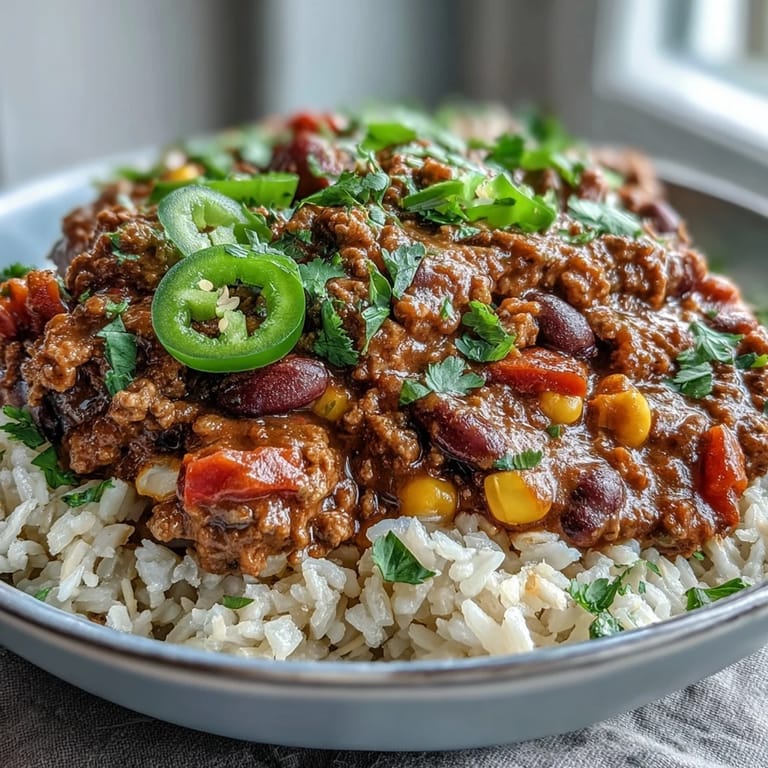
 The best part happens when everyone sits down and suddenly starts customizing their bowl like it's a small masterpiece. I've watched people who don't usually talk at dinner get animated about whether they want lime or cilantro or both, and somehow that matters more than the recipe itself.
Why Grains Matter Here
Rice or grains aren't just a vehicle for chili; they actually change the experience of eating it. Brown rice adds a subtle nuttiness that plays beautifully with the spices, while quinoa brings an interesting texture and protein boost. I've even tried farro, and its slight chewiness makes you slow down and actually taste each bite instead of wolfing it down.
The Topping Philosophy
This is where chili becomes truly personal, and I've learned not to overthink it. A sharp cheddar against the warm spices, cool sour cream cutting through the richness, fresh cilantro adding brightness—each topping tells a different story. My sister adds jalapeños to everything; my dad never uses more than cheese and a squeeze of lime; both are correct.
Make-Ahead and Leftovers
Chili is one of those rare dishes that doesn't mind sitting in the refrigerator for a few days, and actually improves as the flavors deepen and marry together. I've learned to make extra on a weekend and have something warming and substantial ready for those Wednesday nights when cooking feels like too much.
- Store in an airtight container in the fridge for up to 4 days, or freeze for up to 3 months for a future moment of need.
- Reheat gently on the stovetop with a splash of broth if it's thickened too much during storage.
- Try leftover chili over baked potatoes, mixed into rice and cheese for a casserole, or even spread on toast for an unconventional lunch.
 Pin it
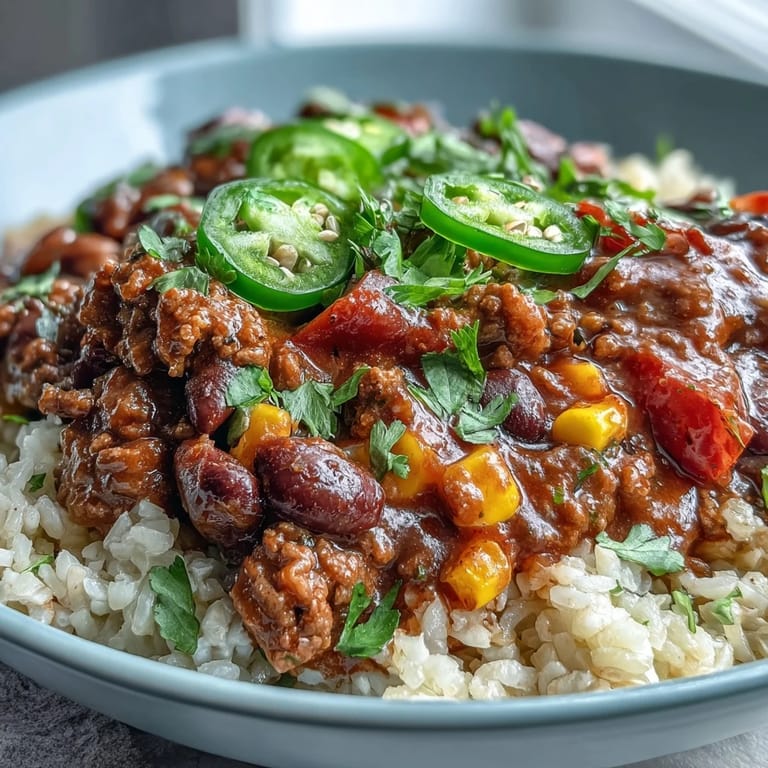
 This chili bowl became my answer to so many different occasions—casual dinners, feeding friends, feeding myself on a rough day. It's the kind of cooking that doesn't require perfection, just presence.
Recipe FAQs
- → Can I make this chili bowl vegetarian?
Absolutely. Replace the ground beef with plant-based ground meat crumbles, or simply add an extra can of beans (pinto or great northern work well) to maintain protein and heartiness without meat.
- → What grains work best as a base?
White and brown rice are classic choices that soak up the flavorful broth nicely. For more variety, try quinoa for extra protein, farro for a nutty chew, barley for hearty texture, or even polenta for a creamy twist.
- → How can I adjust the spice level?
Start with the listed amounts and taste after 20 minutes of simmering. For milder flavor, omit the cayenne entirely and reduce chili powder to one teaspoon. To add more heat, increase cayenne gradually or add diced jalapeños with the bell peppers.
- → Does this chili freeze well?
Yes, the chili portion freezes beautifully for up to three months. Cool completely before transferring to airtight containers. Thaw overnight in the refrigerator and reheat gently on the stove, adding a splash of broth if needed. Prepare fresh rice when serving.
- → Can I make this in a slow cooker?
Certainly. Brown the beef and sauté the vegetables on the stovetop first, then transfer everything to your slow cooker. Cook on low for 6-8 hours or on high for 3-4 hours. The flavors will meld beautifully over the longer cooking time.
- → What are some creative topping combinations?
Beyond the classics, try crushed tortilla chips for crunch, pickled red onions for tang, a dollop of guacamole, or a drizzle of hot sauce. A squeeze of fresh lime juice brightens all the rich flavors, while a sprinkle of cotija cheese adds salty depth.