 Pin it
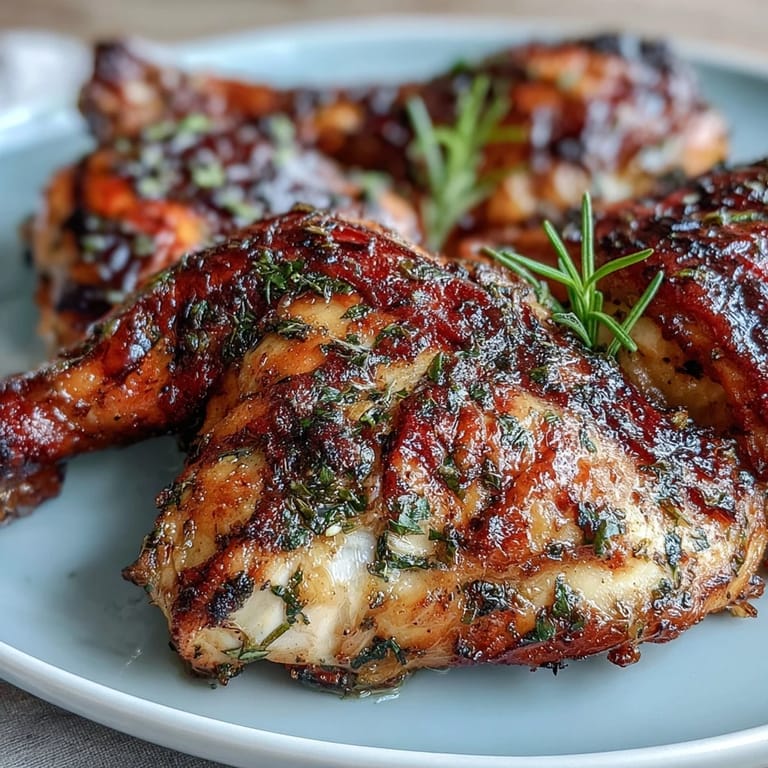
 There's something about the sound of a chicken sizzling in a hot oven that makes a kitchen feel alive. Years ago, a friend brought me to a tiny restaurant in Provence where the owner roasted chickens over an open flame with nothing but lemons and herbs, and I couldn't stop thinking about that moment—the way the citrus scented the entire room, how effortless it seemed. When I finally tried recreating it at home, I realized the magic wasn't complexity at all, just good timing and golden baby potatoes catching every drop of that lemony, herby goodness.
I made this for the first time when my partner's parents visited unexpectedly, and I had maybe two hours to pull something together. The apartment filled with this incredible aroma while we were still setting the table, and honestly, that smell did half the work for me—everyone walked in and already felt welcome. That dinner taught me that impressive food doesn't require stress or complicated techniques, just a few quality ingredients and the confidence to let them shine.
Ingredients
- 1 whole chicken (about 4 lbs / 1.8 kg), giblets removed: This is your canvas—a good quality bird makes all the difference, and removing the giblets gives you more room to stuff lemon slices inside.
- 3 tbsp olive oil: Use something you'd actually taste on bread, because this becomes part of your marinade and carries all those herb flavors directly to the meat.
- 2 lemons (1 zested and juiced, 1 sliced): The zest brings brightness without the harsh acidity that straight juice can leave, while the slices inside the cavity perfume the chicken from the inside out.
- 4 cloves garlic, minced: Fresh garlic is non-negotiable here—it softens and sweetens in the oven, becoming almost jammy against the lemon and herbs.
- 2 tbsp fresh rosemary, finely chopped: Rosemary can be aggressive if you're not careful, so chop it fine and let the oven mellow its intensity into something woody and elegant.
- 2 tbsp fresh thyme, finely chopped: Thyme is quieter than rosemary but essential—it adds an earthy, almost minty undertone that keeps everything balanced.
- 1 tbsp fresh parsley, finely chopped: Parsley might seem decorative, but it keeps the herb mixture from becoming too heavy and adds a fresh green note that lingers.
- 1½ tsp sea salt and 1 tsp freshly ground black pepper: Sea salt tastes cleaner than table salt, and grinding black pepper fresh means you're getting the oils that store-ground pepper lost weeks ago.
- 2 lbs (900 g) baby potatoes, halved: Halving them ensures they cook at the same rate as the chicken and get that golden surface, which is where all the flavor lives.
- 2 tbsp olive oil (for potatoes) and 1 tsp sea salt, ½ tsp black pepper: These get their own seasoning because potatoes are greedy for salt and need enough oil to crisp up properly alongside the chicken.
- 2 tbsp fresh parsley, chopped (for garnish): This final handful of green feels like a whisper at the end—it catches light and reminds everyone this meal was made with intention.
Tired of Takeout? 🥡
Get 10 meals you can make faster than delivery arrives. Seriously.
One email. No spam. Unsubscribe anytime.
Instructions
- Get your oven singing:
- Preheat to 425°F and pat your chicken completely dry with paper towels—moisture is the enemy of crispy skin, so take an extra moment here even if it feels fussy. Place the bird in your largest roasting pan, giving it room to breathe.
- Build your aromatic paste:
- Combine olive oil, lemon zest, lemon juice, garlic, rosemary, thyme, parsley, salt, and pepper in a small bowl, stirring until it comes together like a loose paste. Smell it—that's already most of your dinner.
- Massage every surface:
- This is the meditative part: rub the mixture all over the chicken, getting under the skin where the herbs can stay close to the meat, and don't forget the cavity and the legs. Tuck the lemon slices inside so they perfume the bird as it cooks.
- Position your potatoes:
- Arrange halved baby potatoes around the chicken, drizzle them with olive oil, season with salt and pepper, and toss gently to coat. They should nestle in the pan so they catch the chicken's drippings as everything roasts.
- Roast with patience:
- Let everything cook for 1 hour 10–15 minutes until the chicken's juices run clear and a meat thermometer reads 165°F in the thickest part of the thigh. Start checking around the 1 hour mark so you're not surprised by doneness.
- Finish the potatoes if needed:
- If potatoes aren't golden enough when the chicken is done, remove the bird to a cutting board and blast the potatoes under the broiler for 5–7 minutes. Watch them closely because that final stage moves fast.
- Rest and reveal:
- Let the chicken rest for 10 minutes before carving—this keeps the juices from running all over your plate and gives you a moment to breathe. Garnish with fresh parsley and serve while everything is still steaming.
 Pin it
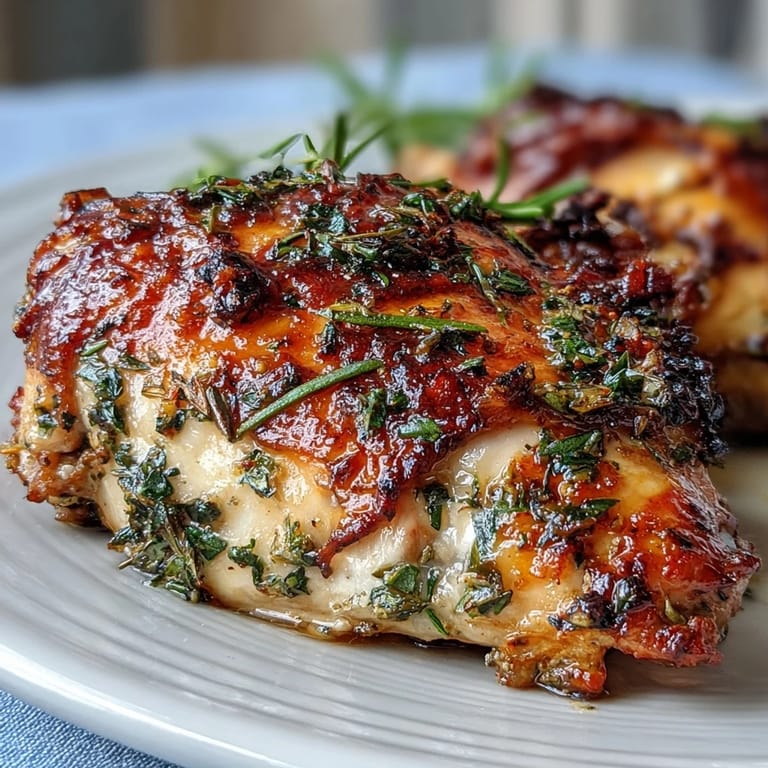
 There's a moment about 45 minutes in when you crack open the oven and the smell hits you so directly that you can't help but smile—that's when you know this wasn't just cooking, it was actually working. I've made this dish maybe thirty times now, and every time someone cuts into that chicken and finds it still juicy, still tender, still so simple and so completely satisfying, I remember why food matters beyond just filling your stomach.
Why Fresh Herbs Make All the Difference
Dried herbs are a pantry staple, but in this dish they're honestly unnecessary—you're relying on fresh rosemary, thyme, and parsley to do the real work, and dried versions would taste like you were cooking from a recipe book instead of a feeling. Fresh herbs are tender enough that they don't need to be minced to powder; just finely chopped so they distribute evenly through the olive oil without becoming bitter in the high heat. I learned this the hard way when I once used dried rosemary out of convenience and ended up with something that tasted like I'd been too aggressive with it, which is the opposite of what this dish should feel like.
The Science of Resting Chicken
That 10-minute rest period isn't just a nice tradition—it's actually crucial to keeping your chicken juicy because the heat pushes all the moisture toward the center, and resting gives those juices a moment to redistribute back into the meat before you carve. If you cut into chicken straight from the oven, you're essentially letting all that work run out onto your cutting board, which is sad and preventable. Think of resting like the chicken's moment to settle down after its time in the oven, and your plate will thank you.
Building Flavor Layers and Substitutions
This recipe tastes best exactly as written, but I've learned that seasonal cooking means adapting, and that's part of the joy. Fingerling or small Yukon Gold potatoes work beautifully if baby potatoes aren't available, and in late spring or early summer when asparagus is singing, I'll scatter spears around the pan in the last 25 minutes of roasting so they caramelize slightly without turning mushy. If you want to marinate the chicken up to 24 hours ahead, do it—the flavors deepen overnight and the olive oil begins the curing process that keeps everything even more tender.
- Asparagus added in the final 25 minutes gives you a fresh green vegetable that cooks exactly right without overshadowing the chicken.
- Try a Sauvignon Blanc or Chardonnay if you have wine available, both of which echo the lemon and herb notes beautifully.
- A quarter-cup of dry white wine mixed into the pan drippings at the end makes an effortless sauce that tastes like you spent all afternoon thinking about it.
 Pin it
 This is a dish that asks very little of you but gives back so much in return—an entire meal that looks and tastes like celebration, but feels as easy as roasting something while you pour a drink and light a candle. Once you make it once, you'll find yourself returning to it again and again, because it's proof that the best meals aren't complicated, they're just honest.