 Pin it
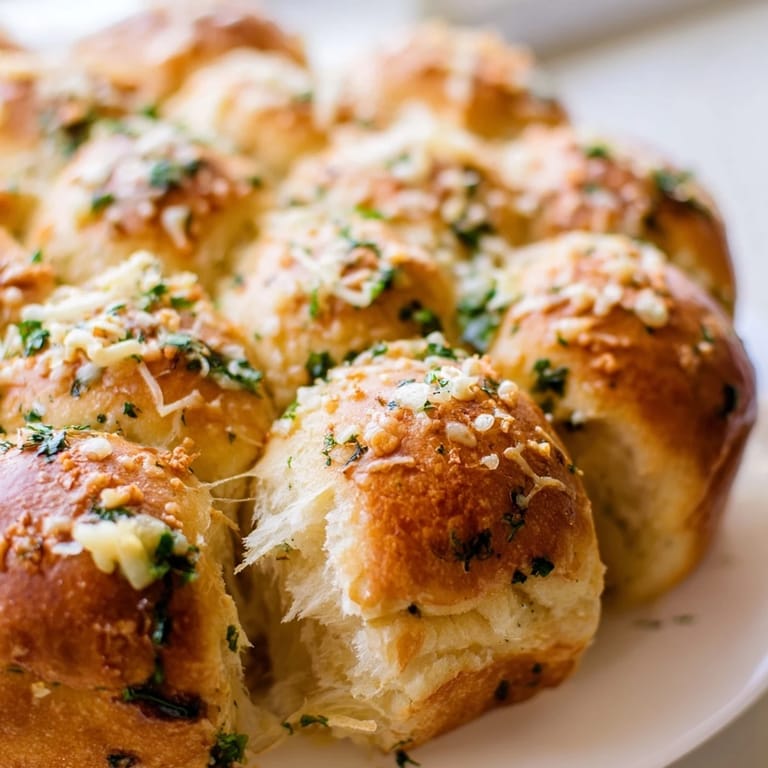
 The aroma of garlic butter bread wafting through my kitchen brings everyone running before I can even call out that dinner's ready. One evening during a spontaneous game night, I threw together these pull-apart rolls when friends unexpectedly stayed late. The way their eyes lit up as they tore into the warm, buttery bread still makes me smile. Now this simple recipe has become my signature contribution to potlucks and family gatherings.
Last Christmas Eve, when everyone was hungry but dinner was still hours away, I quickly assembled these rolls while snow fell outside our kitchen window. My nephew, normally glued to his phone, wandered in following the scent and ended up helping me roll the dough balls through garlic butter. His buttery fingers and our laughter became my favorite memory of that holiday season.
Ingredients
- Instant Yeast: The magic behind these pillowy rolls, ensuring they rise beautifully even if your kitchen is a bit cool.
- Fresh Garlic: I once tried garlic powder in a pinch, but nothing compares to the aromatic punch of freshly minced cloves that infuse the butter.
- Fresh Parsley: Beyond color, it adds a subtle herbaceous note that cuts through the richness of butter perfectly.
- Warm Milk: The secret to that tender crumb, just make sure its around 110°F, warm to touch but not hot enough to kill the yeast.
Tired of Takeout? 🥡
Get 10 meals you can make faster than delivery arrives. Seriously.
One email. No spam. Unsubscribe anytime.
Instructions
- Mix the foundation:
- Combine your flour, instant yeast, sugar and salt in a large bowl before pouring in that perfectly warm milk and melted butter. Youll see the dough start to come together, still shaggy but with promise.
- Knead with feeling:
- Turn the dough onto a floured surface and work it with your hands for about 7 minutes until it becomes smooth and elastic. The dough will tell you when its ready, developing a subtle shine and springing back when you press a finger into it.
- First rise magic:
- Place your dough baby in a greased bowl, cover it, and let it double in size in a warm spot for about an hour. I like to turn the oven on low for just a minute, then turn it off and use that gentle warmth.
- Butter bath time:
- After dividing the dough into 12 balls, this is where the transformation happens. Dip each ball into that fragrant garlic butter mixture, making sure theyre well coated before nestling them together in your pan.
- Final rise and bake:
- Give the rolls another 20 minutes to puff up slightly before baking at 350°F. Watch as they turn golden brown, with that garlic butter bubbling around the edges, filling your kitchen with irresistible aroma.
 Pin it
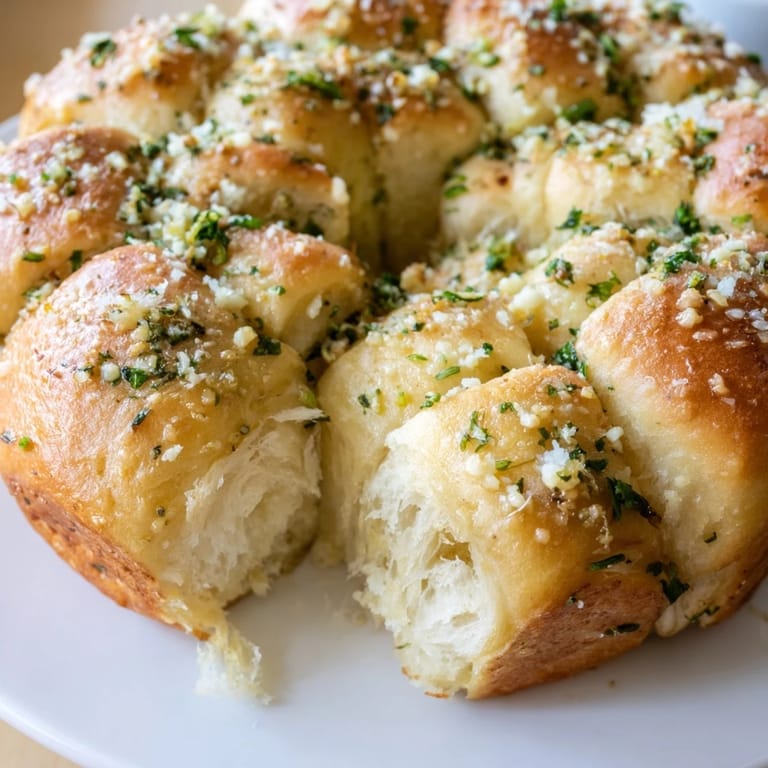
 My neighbor Angela knocked on my door one rainy Sunday afternoon when I had just pulled these rolls from the oven. The timing couldnt have been more perfect as she was upset about some family news. We sat at my kitchen table, pulling apart the warm bread, the simple act of sharing something homemade somehow making her troubles seem more manageable. Sometimes food is more than sustenance, its comfort in its most accessible form.
Make-Ahead Options
On busy days, I prepare the dough the night before and let it rise slowly in the refrigerator. The cold slows down the yeast activity, but also develops deeper flavor in the dough. The next morning, I simply bring it to room temperature for about 30 minutes before shaping the balls and proceeding with the garlic butter dip. This small planning step makes fresh-baked bread possible even on hectic weeknights.
Flavor Variations
While the classic garlic butter version holds a special place in my heart, Ive discovered wonderful variations over the years. My teenagers adore when I tuck small cubes of mozzarella into each dough ball before dipping in garlic butter, creating cheesy surprise centers. During autumn gatherings, I sometimes add finely chopped rosemary and sage to the garlic butter, which pairs beautifully with seasonal soups and stews. For summertime, a sprinkle of lemon zest in the butter brings unexpected brightness.
Serving Suggestions
The beauty of these pull-apart rolls lies in their versatility at the table. They elevate a simple weeknight pasta into something that feels special, or transform a bowl of soup into a complete meal. I often serve them as the centerpiece of a light lunch alongside a big colorful salad, letting everyone tear off warm pieces as they please.
- Create a simple dipping station with extra virgin olive oil, balsamic vinegar, and a sprinkle of flaky sea salt.
- For casual gatherings, place the entire pan in the center of the table and watch how the communal tearing brings people together.
- These rolls are substantial enough to serve as the bread component for slider-style sandwiches with leftover roasted meats.
 Pin it
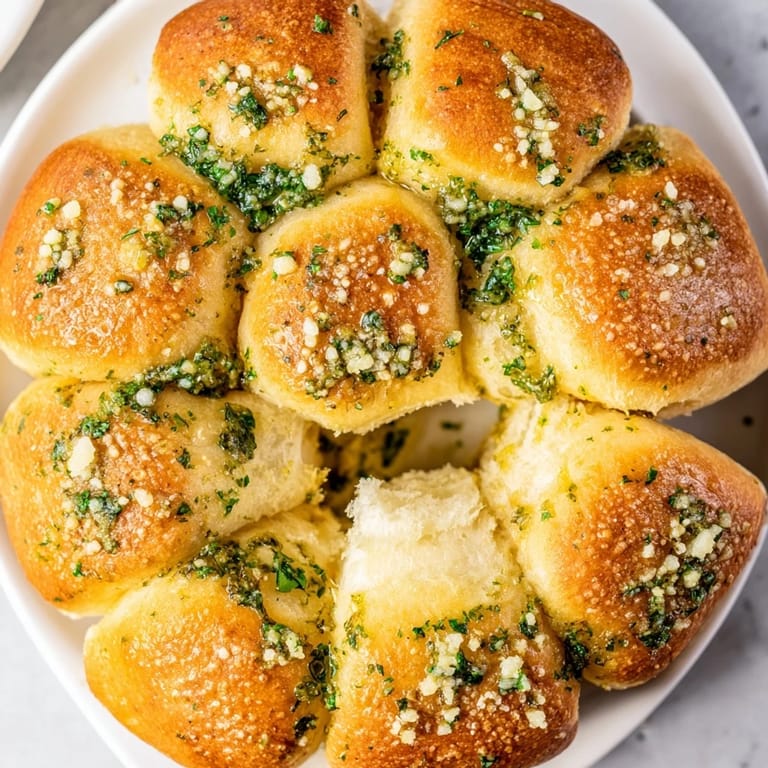
 Whether shared at a crowded table or enjoyed in quiet moments, these garlic butter pull-apart rolls bring a touch of warmth to any occasion. Theyre proof that sometimes the simplest recipes create the strongest connections.
Recipe FAQs
- → Can I use store-bought dough instead of making it from scratch?
Yes, you can use store-bought pizza dough or dinner roll dough to save time. Simply divide it into 12 pieces, coat with garlic butter, and follow the baking instructions from step 7 onwards.
- → How do I store leftover pull-apart bread?
Store leftovers in an airtight container at room temperature for up to 2 days, or refrigerate for up to 5 days. Reheat in a 300°F oven for 10 minutes or microwave for 20-30 seconds to restore softness.
- → Can I prepare this ahead of time?
Yes, after arranging the garlic butter-coated dough balls in the pan, cover tightly and refrigerate overnight. The next day, let them sit at room temperature for 30 minutes before baking as directed.
- → What can I serve with garlic butter pull-apart bread?
These rolls pair beautifully with tomato soup, pasta dishes, marinara sauce for dipping, roasted vegetables, or as part of an appetizer spread with cheese and charcuterie.
- → Can I make this dairy-free?
Yes, substitute the butter with dairy-free margarine or olive oil, use non-dairy milk like almond or oat milk, and omit the Parmesan cheese or use a dairy-free alternative.
- → Why didn't my dough rise properly?
The most common reasons are using water that's too hot (which kills the yeast) or too cold (which slows activation), or expired yeast. Ensure your liquid is around 110°F and your yeast is fresh for best results.