 Pin it
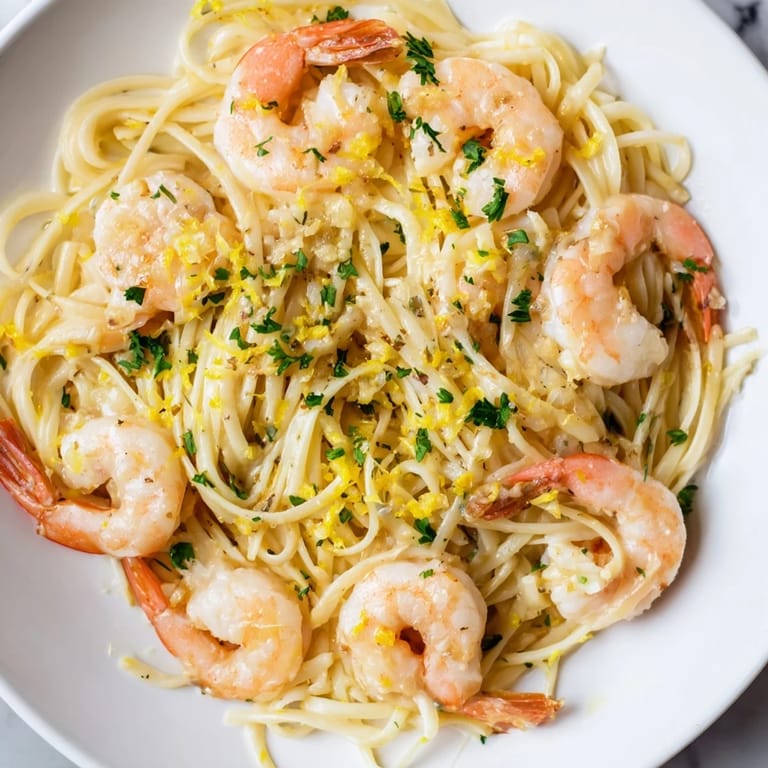
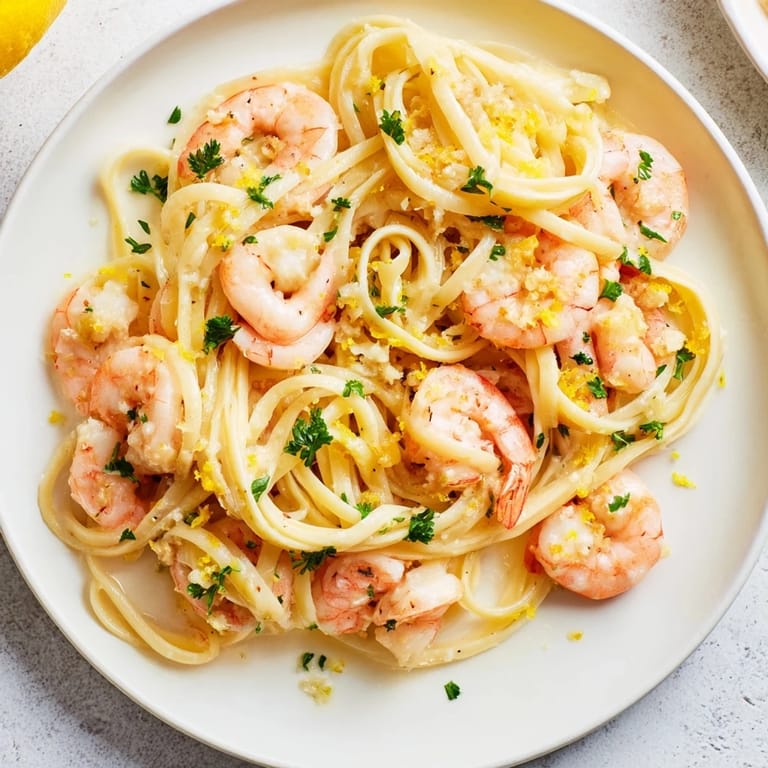
 My neighbor Maria knocked on my door holding a bag of shrimp she'd bought too much of at the market. I had linguine in the pantry and garlic hanging by the window. Twenty minutes later, we were twirling forks over plates that smelled like butter, lemon, and something close to a coastal vacation. That spontaneous dinner taught me that elegant doesn't mean complicated.
I made this for my sister after her long shift at the hospital. She sat at my kitchen counter, too tired to talk, and just watched me toss the shrimp in the pan. The garlic started to sizzle, the butter foamed, and she finally smiled. Sometimes food says what words can't.
Ingredients
- Large shrimp (1 lb, peeled and deveined): Look for firm, sweet-smelling shrimp and pat them completely dry so they sear instead of steam.
- Linguine pasta (12 oz): The flat shape clings to the buttery sauce better than round noodles, but any long pasta works in a pinch.
- Unsalted butter (4 tbsp): Using unsalted lets you control the seasoning, and it creates a silky base when combined with olive oil.
- Extra virgin olive oil (2 tbsp): This keeps the butter from burning and adds a fruity depth to the sauce.
- Garlic (6 cloves, minced): Fresh garlic is non-negotiable here; it blooms in the fat and perfumes everything.
- Crushed red pepper flakes (1/4 tsp, optional): Just a pinch adds warmth without making it spicy, but skip it if you prefer mellow.
- Lemon zest and juice (1 lemon): The zest brings floral brightness, the juice cuts through the richness.
- Fresh parsley (1/4 cup, chopped): Stir it in at the end for color and a grassy, fresh contrast.
- Salt and black pepper: Season in layers so every component tastes intentional.
- Parmesan cheese (optional, for serving): A little grated on top adds nutty, salty finish, though purists skip cheese with seafood.
Tired of Takeout? 🥡
Get 10 meals you can make faster than delivery arrives. Seriously.
One email. No spam. Unsubscribe anytime.
Instructions
- Boil the Pasta:
- Bring a large pot of salted water to a rolling boil and cook the linguine until it still has a slight bite. Reserve half a cup of the starchy pasta water before draining; it's your secret weapon for a glossy sauce.
- Prep the Shrimp:
- While the pasta bubbles away, pat the shrimp completely dry with paper towels and season them lightly with salt and pepper. Dry shrimp sear beautifully instead of steaming in their own moisture.
- Start the Sauce:
- Melt the butter with olive oil in a large skillet over medium heat, then add the minced garlic and red pepper flakes. Let them sizzle for about a minute until the kitchen smells irresistible, but pull them off before the garlic turns brown and bitter.
- Cook the Shrimp:
- Lay the shrimp in a single layer in the skillet and let them cook undisturbed for two minutes per side until they turn pink and opaque. Resist the urge to move them around; that's how you get a nice golden edge.
- Add Lemon and Pasta:
- Stir in the lemon zest and juice, then add the drained linguine and toss everything together. If the pasta looks dry, splash in some reserved pasta water a little at a time until the sauce coats every strand.
- Finish and Serve:
- Remove the skillet from the heat and toss in the chopped parsley, adjusting salt and pepper to taste. Serve immediately with a sprinkle of Parmesan if you like, while everything is still steaming.
 Pin it
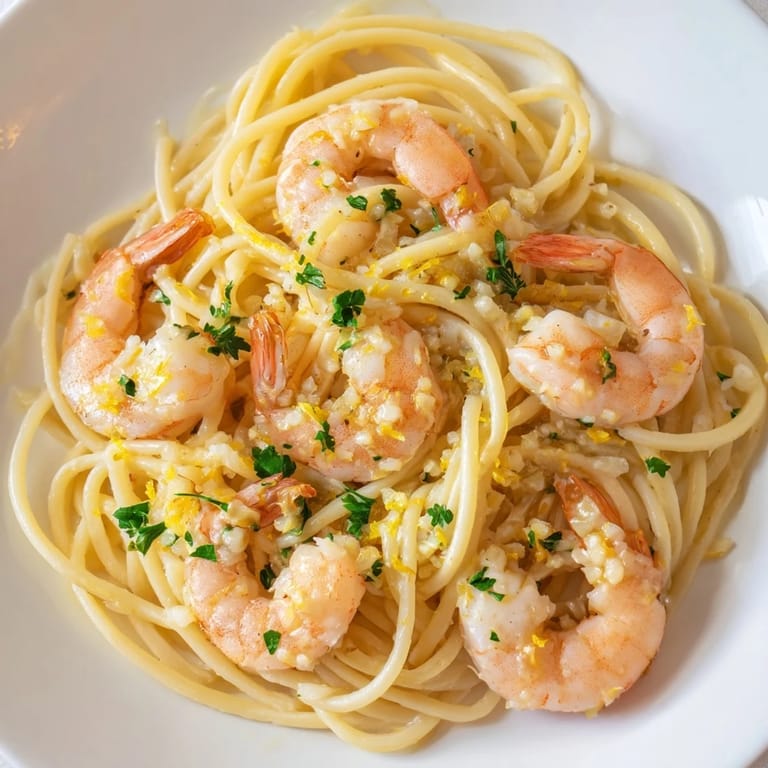
 My friend James, who claims he can't cook, made this after I walked him through it over the phone. He sent me a photo of his plate with the caption, I feel like a chef. That's the magic of this recipe: it makes you feel capable and a little bit fancy, even on an ordinary Tuesday.
Making It Your Own
I've added a splash of white wine to the skillet right before the shrimp go in, and it gives the sauce a bright, acidic backbone. Sometimes I throw in halved cherry tomatoes for bursts of sweetness, or swap the parsley for fresh basil when my plant is overflowing. This dish is forgiving and loves improvisation.
What to Serve Alongside
A simple arugula salad with lemon vinaigrette balances the richness, and crusty bread is perfect for soaking up any leftover garlic butter on your plate. I pour a crisp Sauvignon Blanc or Pinot Grigio, something light and citrusy that echoes the lemon in the pasta. Keep it simple; the shrimp linguine is the star.
Storage and Reheating
Leftovers keep in the fridge for up to two days, though the pasta will soak up some of the sauce as it sits. Reheat gently in a skillet over low heat with a splash of water or broth to loosen everything up. The shrimp won't be quite as tender the second time, but it's still delicious.
- Add a drizzle of olive oil when reheating to refresh the sauce.
- Don't microwave; it makes the shrimp chewy and sad.
- If you know you'll have leftovers, slightly undercook the pasta so it doesn't turn mushy.
 Pin it
 This dish reminds me that good food doesn't need to be fussy. It just needs attention, decent ingredients, and maybe someone to share it with.
Recipe FAQs
- → Can I prepare this dish ahead of time?
For best results, cook the pasta and shrimp fresh just before serving. However, you can prep ingredients in advance - peel shrimp, mince garlic, zest lemon, and chop parsley ahead. Store separately in the refrigerator.
- → What's the best way to cook shrimp without overcooking it?
Pat shrimp dry before cooking and arrange in a single layer in the skillet. Cook 2 minutes per side over medium heat - the shrimp will turn pink and opaque when done. Overcooked shrimp becomes rubbery, so timing is crucial.
- → Can I substitute the linguine with other pasta shapes?
Absolutely. Fettuccine, spaghetti, or pappardelle work beautifully with this sauce. Avoid short pasta shapes like penne, as long strands better capture the silky garlic butter sauce.
- → How do I make this sauce creamier?
Add a splash of heavy cream or a dollop of crème fraîche after cooking the shrimp but before tossing with pasta. Alternatively, increase the butter to 5-6 tablespoons for a richer sauce.
- → What wine pairs best with this dish?
Crisp white wines like Sauvignon Blanc, Pinot Grigio, or Vermentino complement the garlic butter and lemon flavors perfectly. A dry white wine also works wonderfully when added to the skillet for extra depth.
- → How can I make this dairy-free?
Replace butter with additional extra virgin olive oil using the same quantity. Omit the Parmesan cheese or use a dairy-free alternative. The dish remains flavorful with the garlic, lemon, and quality olive oil as the base.