 Pin it
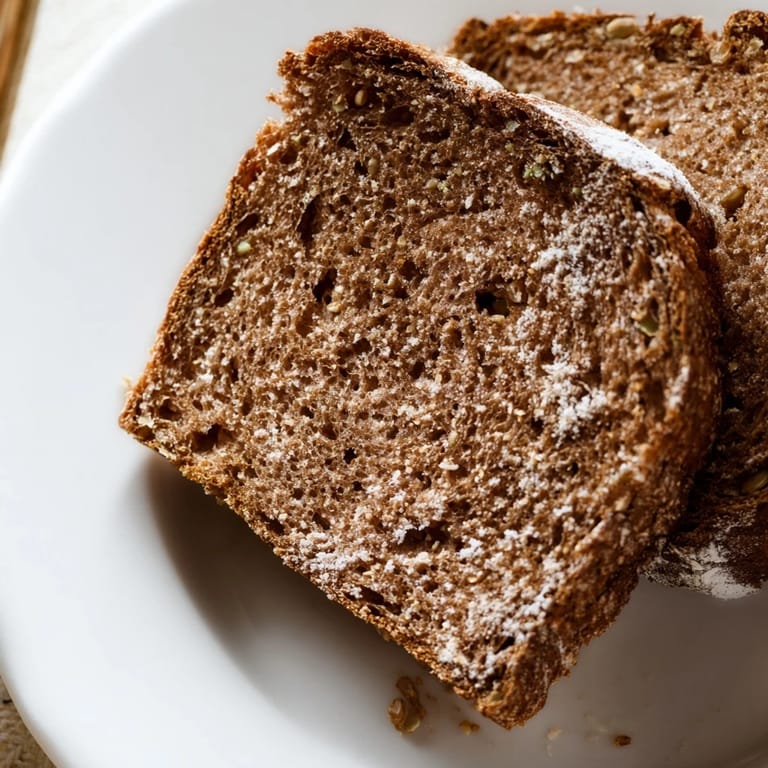
 My first loaf of rupjmaize appeared on my kitchen counter almost by accident—a Latvian friend had left behind a bag of dark rye flour and mentioned, almost offhandedly, that I should try making this bread if I ever got ambitious. What struck me wasn't just the deep mahogany color or the earthy caraway scent that filled my apartment for hours, but how something so dense and humble could taste so alive. That first slice, still warm, with a thin spread of salted butter, felt like tasting a country's entire winter in one bite.
I'll never forget bringing a loaf to a potluck where nobody expected much from the quiet bread basket. Within minutes, someone was asking for the recipe while still chewing their first slice, and a third person admitted they'd always thought rye bread was supposed to taste like cardboard. Watching people discover that rupjmaize could be tender, aromatic, and genuinely crave-worthy was its own small triumph.
Ingredients
- Dark rye flour: This is the backbone—don't skip it or substitute with regular whole wheat, which will make the bread taste flat. Rye has a natural sweetness that molasses amplifies beautifully.
- Bread flour: Just enough to give the dough structure, or it would spread into a pancake. Some bakers toast their rye flour first for a deeper, nuttier edge.
- Active dry yeast: Room temperature water matters more than you'd think—too cold and fermentation creeps along, too hot and you kill the yeast before it starts.
- Molasses or dark honey: The darkness matters; light molasses tastes thin by comparison. This feeds the yeast and adds a subtle complexity that plain sugar never achieves.
- Caraway seeds: The soul of this bread—they perfume the entire loaf and remind you why this recipe has survived centuries. If you're nervous about them, start with 1.5 teaspoons, not the full 2.
- Salt: Measured generously because rye dough can handle it, and it actually brings out the grain's natural flavor rather than masking it.
- Vegetable oil: A touch of fat keeps the crumb tender; don't skip it thinking the bread will be lighter without it.
Tired of Takeout? 🥡
Get 10 meals you can make faster than delivery arrives. Seriously.
One email. No spam. Unsubscribe anytime.
Instructions
- Wake up your yeast:
- Combine warm water, molasses, and yeast in a bowl and wait 10 minutes. You'll see it foam slightly—that's the sign it's alive and ready. If it doesn't foam, your yeast has expired and the whole loaf will suffer.
- Build the dough:
- Mix in the flours, salt, and caraway seeds until a shaggy, sticky mass forms. This is intentional; rye dough never looks neat, and that's how you know you're doing it right.
- Knead toward smoothness:
- Work the oil in by hand or machine for 5–7 minutes. The dough will still cling to your hands, but it should feel slightly less chaotic and a bit more elastic as you go.
- Trust the long rise:
- Oil a bowl, nestle the dough inside, cover loosely, and leave it at room temperature for 12–16 hours, or overnight. This slow fermentation is where all the flavor develops—rushing it makes for bread that tastes like it was made yesterday.
- Shape with intention:
- Gently deflate the puffy dough and transfer it to a floured work surface. Form it into a round or oval loaf, then place it on a parchment-lined baking sheet or in a greased loaf pan. Rye dough spreads more than wheat dough, so a loaf pan helps contain it.
- Let it proof:
- Cover and let it rise for 45–60 minutes until puffy but not explosively risen. The second rise is shorter and gives the loaf final volume and tenderness.
- Finish with flour and heat:
- Dust the top generously with rye flour for that rustic look, optionally score it with a knife, then bake at 220°C (425°F) for 45–50 minutes until deeply browned and hollow-sounding when tapped. The crust should crackle as it cools.
- Cool completely:
- Let the loaf rest on a wire rack for at least an hour before slicing. Cutting too soon traps steam and makes the crumb gummy.
 Pin it
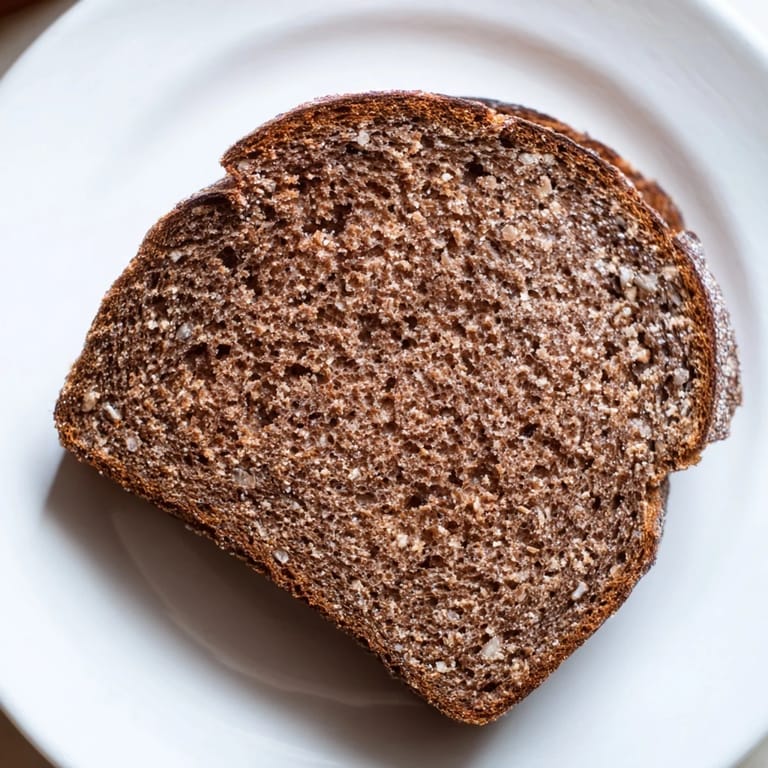
 There's a moment, usually around hour three of baking, when your entire kitchen smells like a Baltic country winter—warm grain, dark molasses, and those little hits of caraway that make you close your eyes. That's when you know it's working. This bread stopped being just food for me the day someone toasted a slice at breakfast and ate it in complete silence, and then asked for another.
Why This Bread Became a Keeper
Rupjmaize taught me that rye bread doesn't have to be heavy or intimidating. The long fermentation makes it digestible despite its density, and the caraway transforms what could be an earthy, one-note grain into something with character and warmth. Every time I bake it, the recipe feels slightly different depending on how long I let it rise and which caraway seeds I grab, which is why I keep coming back instead of moving on to something easier.
Serving and Storage
Slice this bread thick and toast it before serving—the crust crisps up and the interior warms through, which somehow makes the caraway flavor even more pronounced. It pairs impossibly well with salted butter, smoked fish, sharp cheeses, or simply alongside a bowl of soup. The bread holds moisture for days, staying tender even as the crust hardens slightly, and it freezes beautifully if you slice it first.
The Science of Slow Fermentation
The 12–16 hour rise isn't just tradition; it's what gives this bread its keeping power and flavor complexity. Yeast and bacteria work together slowly, breaking down the rye grain into sugars and developing organic acids that preserve the loaf and deepen the taste. A shorter, warmer rise would produce bread that's edible within hours but stale by day two—which is exactly why old recipes insisted on patience.
- Toast caraway seeds lightly in a dry pan before adding them if you want a bolder, nuttier edge to every bite.
- If your kitchen is cold, the dough might need 18–20 hours to fully double; trust the visual cue, not the clock.
- A hollowly-sounding loaf when tapped on the bottom is the only real doneness test that matters—color can be deceiving.
 Pin it
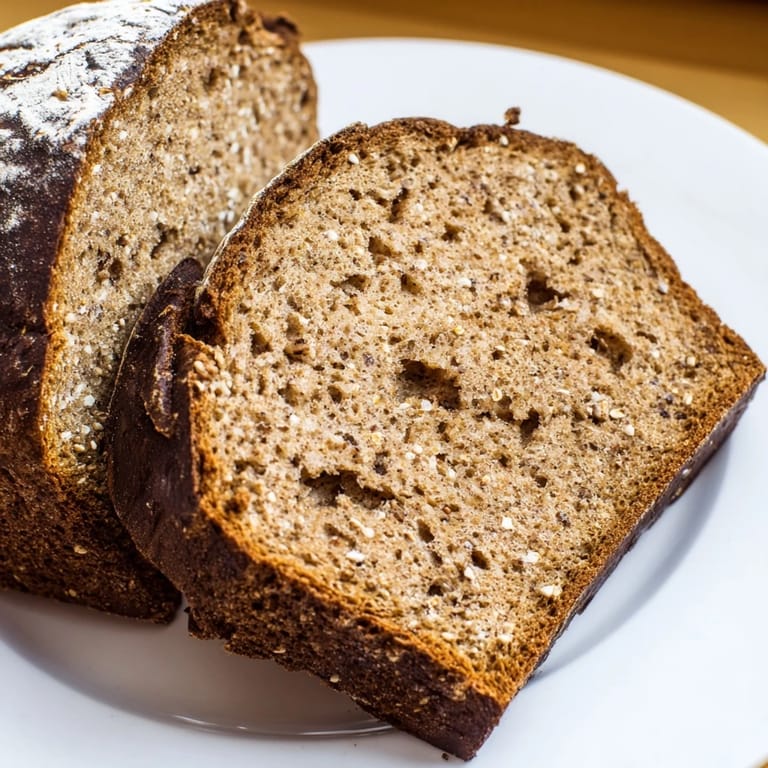
 Making rupjmaize is an act of faith in fermentation and time, and it rewards that faith generously. Once you've tasted your own loaf, store-bought rye bread will never feel quite enough again.
Recipe FAQs
- → What is special about Latvian Rupjmaize bread?
It features a dense, moist crumb and a robust crust infused with caraway seeds, giving it a distinct deep rye flavor.
- → How long does the dough need to rise?
The dough requires a long fermentation period of 12–16 hours for optimal texture and flavor development.
- → Can caraway seeds be toasted before adding?
Yes, lightly toasting caraway seeds before mixing enhances their nutty aroma and depth of flavor.
- → What is the best way to enjoy this bread?
It’s excellent sliced and toasted, served with butter, smoked fish, or hearty stews.
- → Does this bread freeze well?
Yes, slicing before freezing allows easy toasting and maintains freshness when stored frozen.