 Pin it
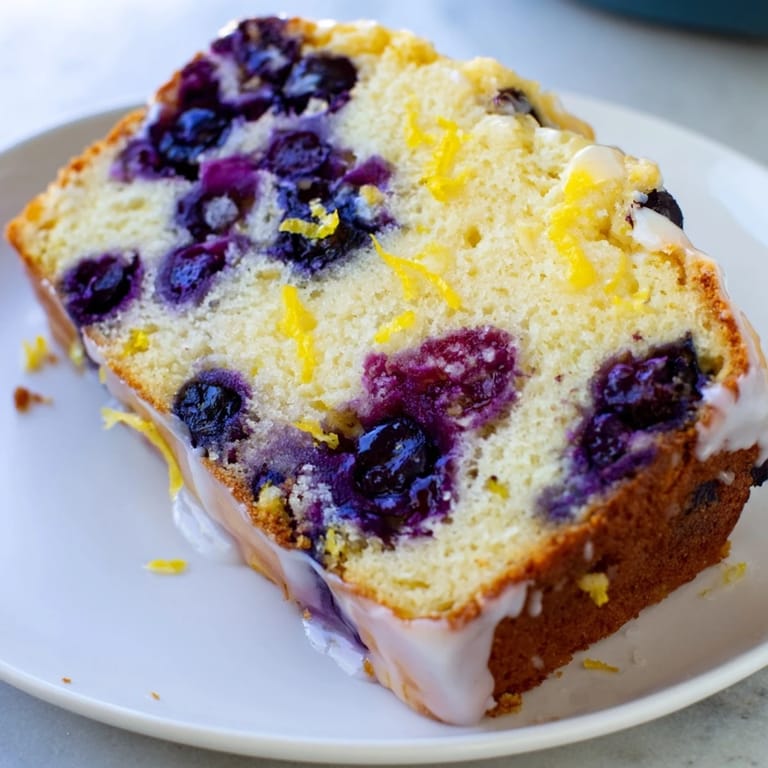
 There's something about a loaf cake that feels like cheating—you dump everything into a blender, press a button, and somehow end up with something that tastes like you've been fussing in the kitchen for hours. I discovered this particular version on a quiet Tuesday morning when I had leftover Greek yogurt sitting in the fridge and a lemon tree that had finally decided to produce. The blender method seemed too good to be true, but the first slice proved me wrong: tender, tangy, studded with bursts of blueberry sweetness, and honestly better than anything I'd made from a traditional creamed butter base.
I remember bringing this to a book club one evening, nervous because homemade cakes always feel like you're putting yourself out there. One friend took a bite and immediately asked for the recipe before finishing her slice—and she's the type who actually bakes. That moment told me everything: this loaf works because it doesn't pretend to be something it's not. It's casual, unfussy, and somehow more interesting because of it.
Ingredients
- Eggs (2 large): They act as both binder and lift here, so room temperature ones blend in smoother and incorporate more air.
- Greek yogurt (1 cup): The secret to keeping this moist; the tanginess plays beautifully against sweet blueberries.
- Vegetable oil (1/2 cup): Stays tender longer than butter would—use a neutral oil so the lemon stays the star.
- Lemon zest (1 tbsp): Don't skip this; microplane it fresh right before blending for the brightest flavor.
- Fresh lemon juice (1/4 cup): Balance the sweetness and make the crumb just a touch tangy.
- Vanilla extract (1 tsp): Use real vanilla if you can; it rounds out the citrus without competing.
- All-purpose flour (1 1/2 cups): Measure by spooning and leveling, not scooping, or you'll end up with a dense loaf.
- Granulated sugar (3/4 cup): This amount lets the lemon shine through without making it cloying.
- Baking powder and baking soda (2 tsp + 1/2 tsp): The combination of both gives you gentle, even rise.
- Fine sea salt (1/4 tsp): Enhances sweetness and brightens the lemon flavor.
- Fresh blueberries (1 cup): Frozen work just as well and often taste more consistent; toss them in flour so they don't sink to the bottom.
Tired of Takeout? 🥡
Get 10 meals you can make faster than delivery arrives. Seriously.
One email. No spam. Unsubscribe anytime.
Instructions
- Set your stage:
- Preheat the oven to 350°F and get your loaf pan lined with parchment paper—this matters for easy release and even browning. Have everything measured out so you're not hunting for baking soda mid-blend.
- Blend the wet base:
- Combine eggs, yogurt, oil, lemon zest, lemon juice, and vanilla in your blender and go until it's completely smooth and slightly pale. This takes about a minute; you're not making soft-serve, just emulsifying everything together.
- Fold in the dry:
- Add flour, sugar, baking powder, baking soda, and salt, then pulse—and this is crucial—just until you see no white streaks of flour. The moment the batter looks combined, stop. Overmixing develops gluten and makes the crumb tough.
- Scatter in the berries:
- Toss your blueberries with 1 tablespoon of flour, then use a spatula to gently fold them through. This flour coating keeps them from sinking, and the gentle fold keeps them whole instead of breaking open and bleeding color everywhere.
- Pour and level:
- Transfer to your prepared pan and smooth the top with a spatula so it bakes evenly. Don't overthink it; a gentle swirl is fine.
- Bake with patience:
- Bake for 50 to 55 minutes until a toothpick comes out clean—the loaf should be golden and a touch springy when pressed. If the top is browning too fast, lay foil over it loosely for the last 15 minutes.
- Cool properly:
- Let it rest in the pan for 10 minutes so it sets enough to turn out without falling apart, then flip it onto a wire rack. Cooling completely matters; a warm loaf is delicious but fragile.
- Glaze if you want:
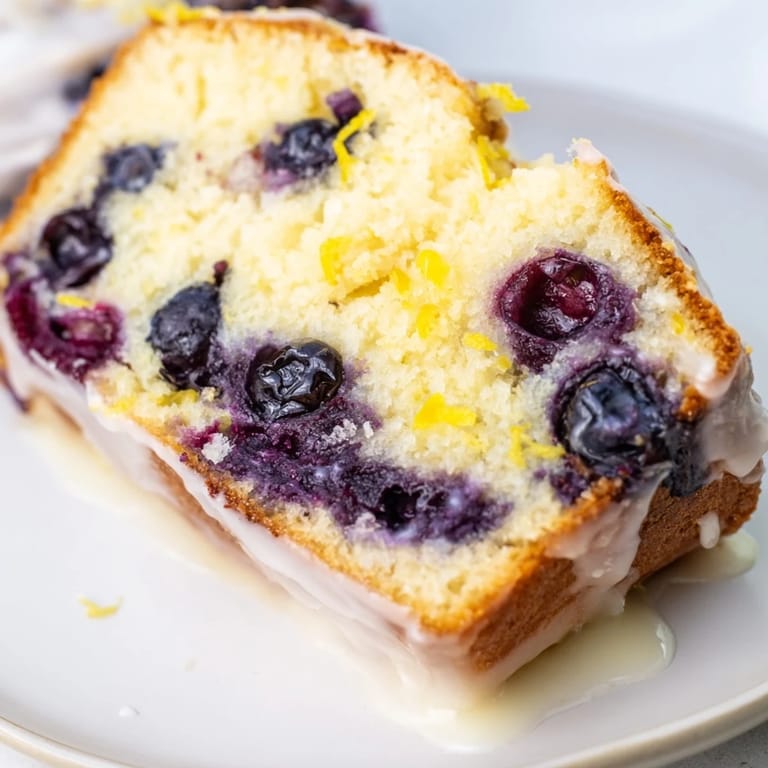
- Whisk powdered sugar with fresh lemon juice until it's smooth and pourable, then drizzle it over the cooled loaf. You can skip this and the loaf is still beautiful, but the glaze adds that final touch of brightness.
 Pin it
 I've made this loaf maybe twenty times now, and the thing that gets me every time is how reliably good it is. There's no fussy technique to master, no temperamental butter to cream, just a blender and about ten minutes of actual work. But somehow, people always respond like you've done something complicated.
Why This Method Actually Works
The blender does something brilliant here: it emulsifies the yogurt and oil together so thoroughly that you get moisture and tenderness without the heaviness of traditional creaming. The result is a loaf that stays soft for days and tastes just as good on day three as it does fresh from the rack. It also means no separate bowls, no electric mixer, and none of that tiny-whisked-egg-white technique that sounds impressive but honestly seems designed to make you wash more dishes.
Variations and Swaps
I've played with this formula enough to know where it bends and where it breaks. Swap the blueberries for raspberries and you get something more fragile and jammy; swap them for diced strawberries and the loaf drinks up their liquid differently. The lemon stays the backbone no matter what. I've also added a half-teaspoon of almond extract on nights when I wanted something different, and it's lovely—not enough to shout, just enough to whisper.
Storage and Serving
This loaf keeps beautifully wrapped at room temperature for three days, and honestly improves slightly as it sits because the flavors meld. You can also wrap it well and freeze it for up to three months; thaw it on the counter for an hour and it tastes fresh-baked. I like mine with tea in the afternoon, or with a dollop of whipped cream if it's dressing up for dessert.
- Slice it while it's slightly cool so the pieces stay neat and don't crumble.
- Wrap leftovers in parchment, then foil, to lock in moisture and keep the crumb from drying out.
- A thin glaze makes it feel dressed up without being fussy.
 Pin it
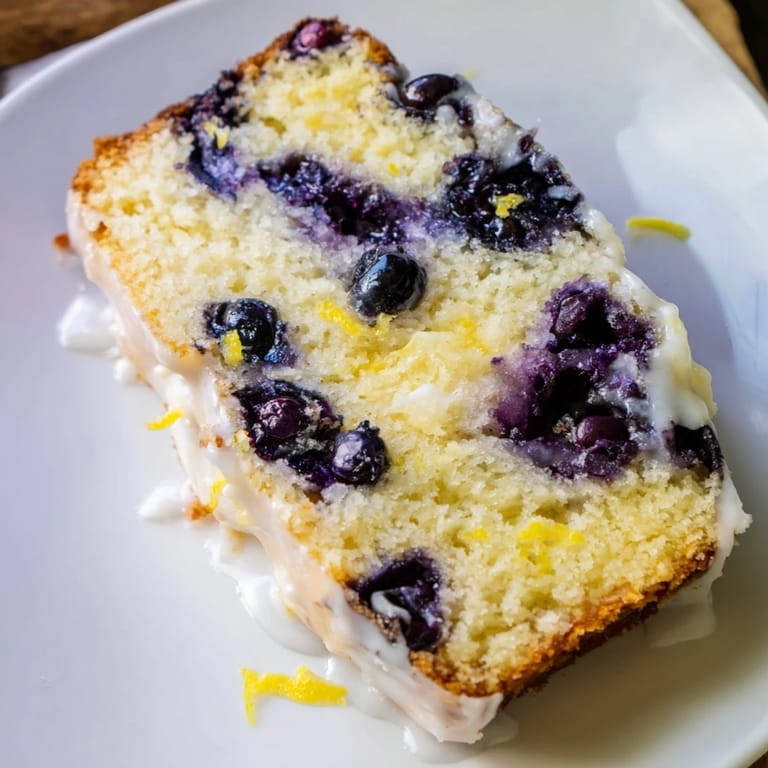
 This loaf cake is the kind of recipe that restores your faith in simple, honest baking. It asks for nothing fancy and delivers something worth sharing.
Recipe FAQs
- → How do I keep blueberries from sinking in the batter?
Toss fresh or frozen blueberries with a tablespoon of flour before folding gently into the batter to help suspend them evenly while baking.
- → Can I substitute the yogurt in this loaf?
You can use coconut yogurt or other plant-based yogurts for a dairy-free version, while keeping the texture moist and tender.
- → What is the purpose of lemon zest and juice in the loaf?
Lemon zest adds bright citrus oils for aroma and flavor, while lemon juice provides tanginess and balances sweetness.
- → Should I blend the blueberries with the batter?
For best texture, blueberries should be folded gently into the batter, not blended, to keep the fruit intact and distribute evenly.
- → How do I know when the loaf is baked fully?
Bake until a toothpick inserted in the center comes out clean, usually after about 50 minutes, tenting with foil if browning too fast.
- → Can I add a glaze to enhance flavor?
An optional glaze of powdered sugar whisked with fresh lemon juice adds sweet tang and a glossy finish to the cooled loaf.