 Pin it
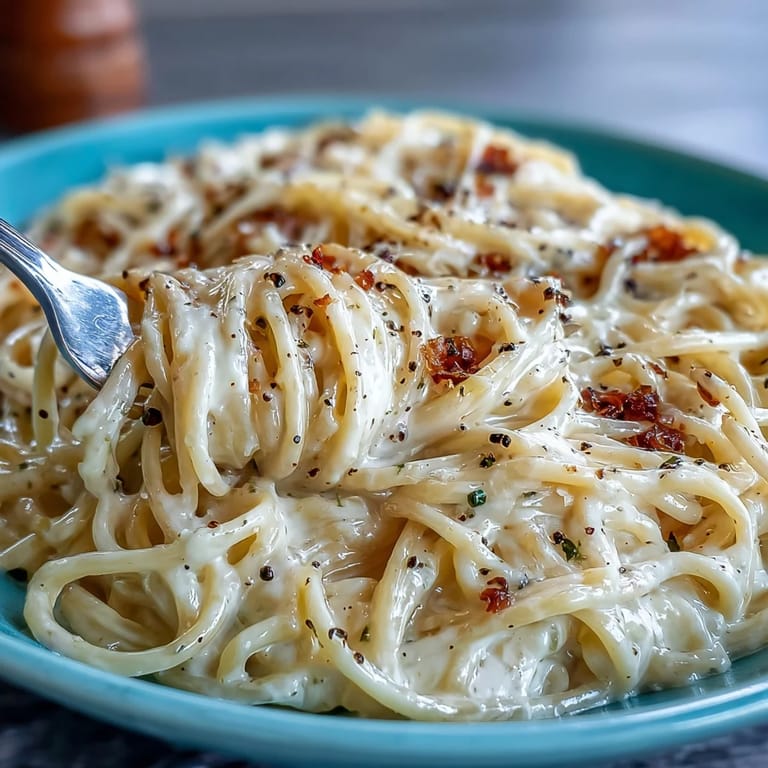
 The smell of toasted black pepper hit me before I even realized what my neighbor was cooking through her open kitchen window. Sharp, warm, almost floral. When I asked, she laughed and said it was just pasta, cheese, and pepper. I didn't believe something so simple could smell that alive. That evening, I stood over my own skillet, watching three ingredients become something I'd crave every week after.
I made this for my brother the night he got back from a terrible work trip. He was too tired to talk, so I just set the bowl in front of him. He finished it without looking up, then asked if there was more. We didn't need to say much after that. The pasta did the work.
Ingredients
- Spaghetti or tonnarelli (400 g): Tonnarelli is traditional and holds the sauce better with its square edges, but spaghetti works beautifully if that's what you have.
- Pecorino Romano cheese (120 g, finely grated): This is the soul of the dish, salty and sharp. Grate it yourself, the pre-shredded kind clumps and won't melt into silk.
- Whole black peppercorns (2 tsp, freshly cracked): Toasting them wakes up oils you didn't know were there. Use a mortar or the bottom of a pan to crack them coarse.
- Kosher salt (1 tsp): For the pasta water. It should taste like the sea, not like regret.
- Unsalted butter (1 tbsp, optional): Not traditional, but it smooths everything out if the sauce feels shy.
Tired of Takeout? 🥡
Get 10 meals you can make faster than delivery arrives. Seriously.
One email. No spam. Unsubscribe anytime.
Instructions
- Boil the pasta:
- Bring a large pot of water to a rolling boil, salt it well, then add the spaghetti. Cook it one minute less than the package says, so it still has a spine. Scoop out 1½ cups of that starchy, cloudy water before you drain anything.
- Toast the pepper:
- While the pasta bubbles, heat a large dry skillet over medium and add the cracked peppercorns. Shake the pan gently for about a minute until the kitchen smells like a spice market and your eyes almost water.
- Build the base:
- Pour 1 cup of the reserved pasta water into the skillet with the toasted pepper. Lower the heat and let it simmer quietly.
- Toss the pasta:
- Add the drained pasta directly into the skillet. Toss it around so every strand drinks in that peppery water.
- Add the cheese:
- Pull the skillet off the heat. Sprinkle in the Pecorino a handful at a time, stirring fast and constantly like you're trying to convince it to melt. Add splashes of reserved water if it seizes up or looks dry.
- Finish with butter (optional):
- If you're using butter, toss it in now and stir until it disappears into the sauce. It's like adding a soft word to a sharp sentence.
- Serve:
- Plate it immediately, top with more cheese and a few extra cracks of pepper. Don't wait, it's best when it's still steaming.
 Pin it
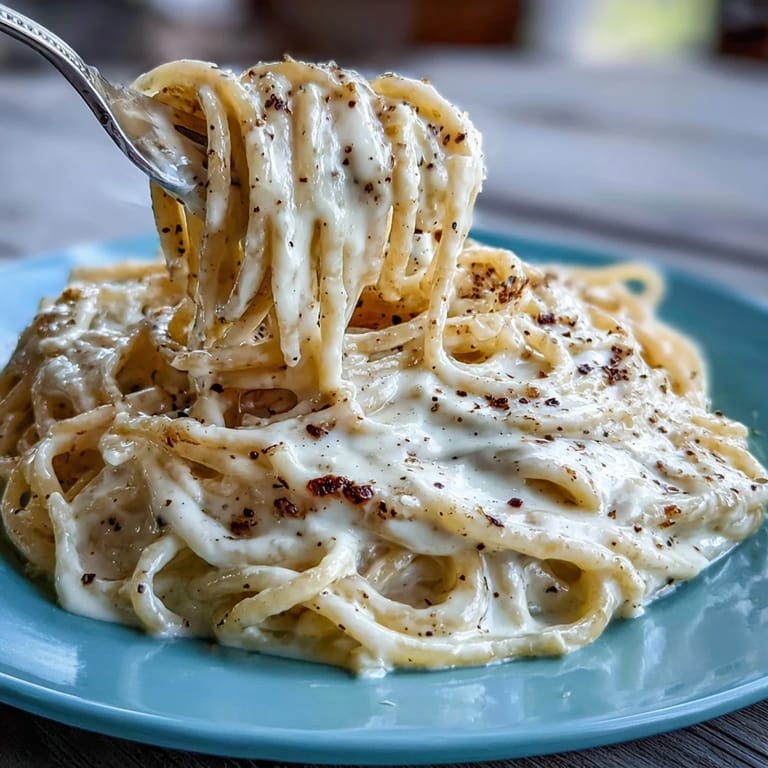
 One Saturday, I taught my friend how to make this after she said she couldn't cook. She stood there, wooden spoon in hand, watching the cheese turn glossy and smooth in the pan. She looked at me like I'd just shown her a magic trick. I told her it wasn't magic, just heat, timing, and trust. She makes it for herself now every time she needs to feel capable.
Choosing Your Pasta
Tonnarelli is what you'd get in Rome, thick and square, grabbing onto every bit of sauce. Spaghetti is thinner, more delicate, but still works if you toss it with confidence. I've even used bucatini when I felt like something hollow and fun. The shape matters less than cooking it right, pulling it early, and never rinsing it.
Why Pecorino, Not Parmesan
Pecorino Romano is made from sheep's milk, sharper and saltier than Parmesan. It has a bite that stands up to the pepper instead of hiding behind it. Parmesan is mild, nutty, polite. This dish doesn't want polite. If you can only find Parmesan, use it, but know the flavor will be quieter, like turning down the volume on a song you love.
Storing and Reheating
Honestly, this is best eaten right away, straight from the pan. Leftovers lose their creaminess and the sauce can break. If you must save some, store it in the fridge and reheat gently in a skillet with a splash of water or milk, stirring constantly. It won't be the same, but it'll still taste like comfort.
- Reheat over low heat, never in the microwave.
- Add a little pasta water or milk to bring the sauce back.
- Eat within one day for the best texture.
 Pin it
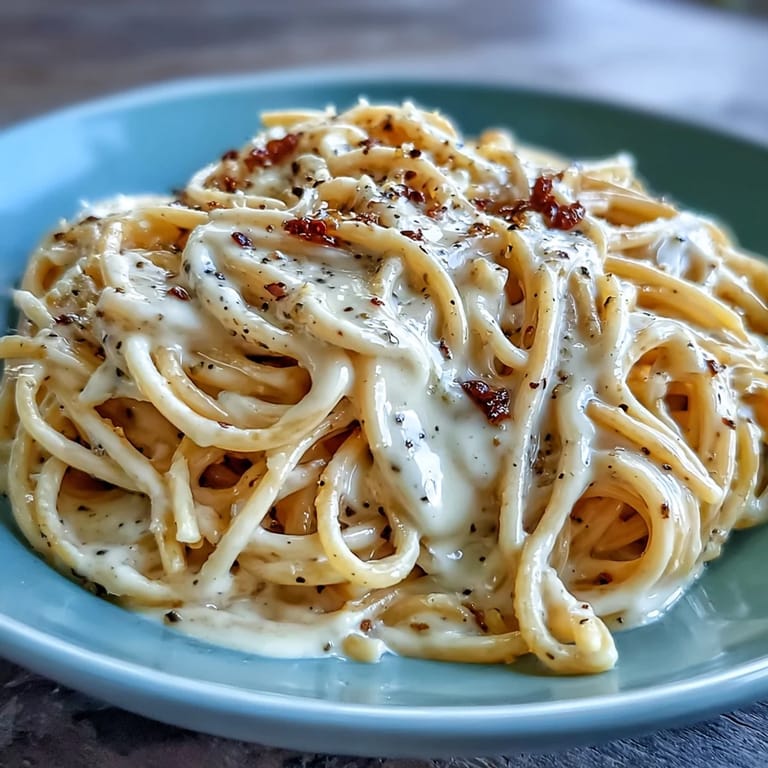
 This is the kind of dish that makes you feel like you know something secret, even though it's been made the same way for centuries. I hope it becomes yours the way it became mine.
Recipe FAQs
- → Why does my Cacio e Pepe sauce turn clumpy instead of creamy?
The cheese must be added off-heat while tossing vigorously. High temperatures cause the proteins to seize and clump. Use hot pasta water gradually and stir constantly to create a smooth emulsion. Freshly grated Pecorino Romano melts far better than pre-shredded varieties.
- → Can I substitute Parmesan for Pecorino Romano?
While possible, Pecorino Romano provides the authentic sharp, salty flavor essential to traditional Cacio e Pepe. Parmesan is milder and sweeter. For best results, use genuine Pecorino Romano DOP from the Lazio region.
- → How much pasta water should I reserve?
Reserve at least 1½ cups before draining. The starchy water is crucial for creating the silky sauce that clings to the pasta. Add it gradually—you may not need all of it, but it's better to have extra than run short.
- → What type of pasta works best?
Tonnarelli, a square-cut spaghetti, is traditional in Rome. Regular spaghetti, bucatini, or rigatoni also work well. Choose pasta with texture that holds the creamy sauce effectively.
- → Should I toast the peppercorns or use pre-ground pepper?
Always use whole peppercorns freshly cracked and toasted in the dry skillet. This releases essential oils and creates the bold, aromatic flavor that defines this dish. Pre-ground pepper lacks the intensity and fragrance.
- → Is butter traditional in Cacio e Pepe?
Authentic Roman versions use only pasta, cheese, and pepper. Butter is a modern addition for extra richness and easier emulsification. Traditionalists omit it, but it helps beginners achieve creaminess more reliably.