 Pin it
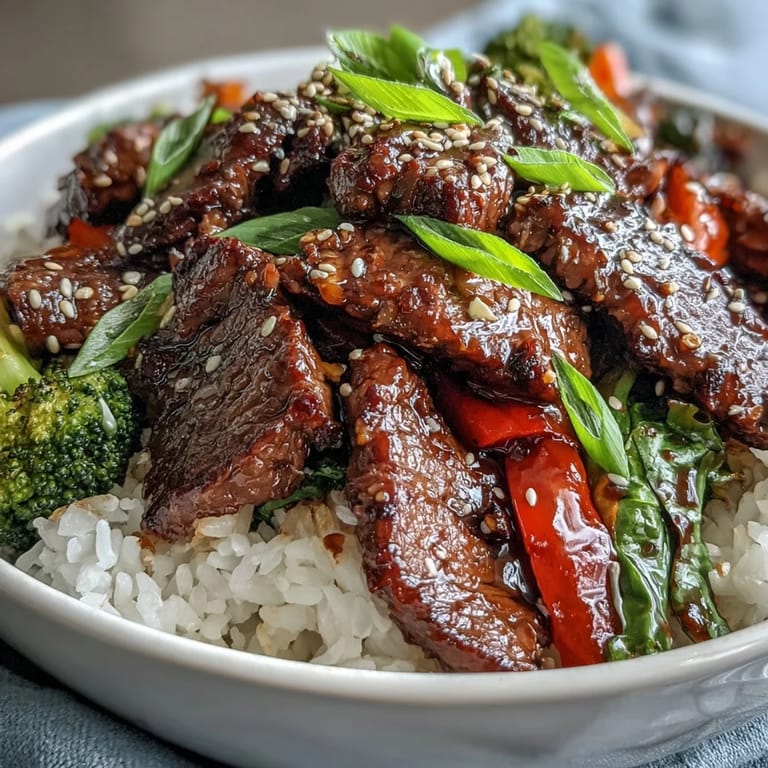
 My neighbor brought over a teriyaki beef bowl one evening after I'd mentioned craving something warm and comforting, and I watched as she plated it with such ease that I felt slightly foolish for thinking it required restaurant-level skill. That first bite—the tender beef coated in that glossy, umami-rich sauce hitting perfectly cooked rice—made me realize how a few quality ingredients and the right technique could transform a weeknight dinner into something genuinely special. I've been making it ever since, tweaking the sauce until it tastes exactly like hers, though I'll never tell her I finally figured out her secret was patience with the glaze.
I made this for my sister when she was going through a rough week, and watching her expression shift from exhausted to genuinely happy over a bowl of rice was worth every minute spent slicing vegetables. She asked for the recipe immediately, and now it's become our unspoken comfort meal—something we both know how to make when we need to feel a little better.
Ingredients
- Flank steak or sirloin, thinly sliced: Buy the cut as whole as possible and slice it yourself against the grain for a more tender bite than pre-sliced beef.
- Cornstarch (for beef): This fine coating creates a slight crust that helps the meat brown beautifully and gives structure to the final dish.
- Vegetable oil: Use something with a high smoke point like vegetable, canola, or peanut oil so your pan stays hot enough to sear properly.
- Soy sauce: The backbone of your sauce, so choose a good quality one if you can—it truly makes a difference in the final depth of flavor.
- Mirin: This sweet rice wine rounds out the saltiness of soy sauce; don't skip it or your sauce will taste flat and one-dimensional.
- Honey or brown sugar: Both work beautifully, though I prefer honey because it dissolves more seamlessly into the sauce.
- Rice vinegar: A splash of acidity that brightens everything and prevents the sauce from becoming cloying.
- Garlic and ginger: These wake up the sauce with warmth and aromatics—mince the garlic fine and don't be shy with the ginger.
- Cornstarch slurry: The magic ingredient that transforms your sauce from thin to glossy and coat-able; whisk it in at the very end to avoid lumps.
- Fresh vegetables (carrot, bell pepper, broccoli, spring onions): The colors matter here—they make the bowl visually appealing and add texture that keeps each bite interesting.
- Cooked rice: Use rice that's warm and fluffy; day-old rice tends to clump, so cook fresh if you can.
- Sesame seeds: A tiny garnish that adds nuttiness and a subtle crunch that elevates the whole dish.
Tired of Takeout? 🥡
Get 10 meals you can make faster than delivery arrives. Seriously.
One email. No spam. Unsubscribe anytime.
Instructions
- Make your sauce first:
- Combine soy sauce, mirin, honey, rice vinegar, garlic, and ginger in a small saucepan and bring to a simmer over medium heat. The moment it starts bubbling, whisk in your cornstarch slurry and watch the sauce thicken from thin and runny to glossy and luxurious—it should take about 2 to 3 minutes. Remove from heat and taste it; if it feels too strong, you can always add a splash of water.
- Coat your beef:
- Toss your sliced beef with cornstarch until each piece is evenly dusted—this step might feel unnecessary, but it's what gives the meat that restaurant-quality crust. Set it aside for a minute while you get your skillet heating up.
- Sear the beef hard and fast:
- Get your oil smoking hot in a large skillet or wok over high heat, then add the beef in a single layer and let it sit for a minute before stirring. You want color and crust, not a pale and steamed result—this takes about 2 to 3 minutes total, and you'll know it's done when the edges are browned and the center is still slightly pink.
- Cook your vegetables with intention:
- Remove the beef to a clean plate, then add your carrots, bell pepper, and broccoli to the same hot skillet. Stir-fry for 3 to 4 minutes, keeping things moving so nothing burns but the vegetables still get a little caramelized on the edges.
- Bring it all together:
- Return the beef to the skillet along with your teriyaki sauce and toss everything gently to coat evenly. Let it heat through for just one minute—any longer and the beef starts to toughen.
- Plate and garnish:
- Spoon the beef and vegetables over bowls of hot rice, then scatter spring onions and sesame seeds on top for color and flavor that makes people actually slow down to appreciate what they're eating.
 Pin it
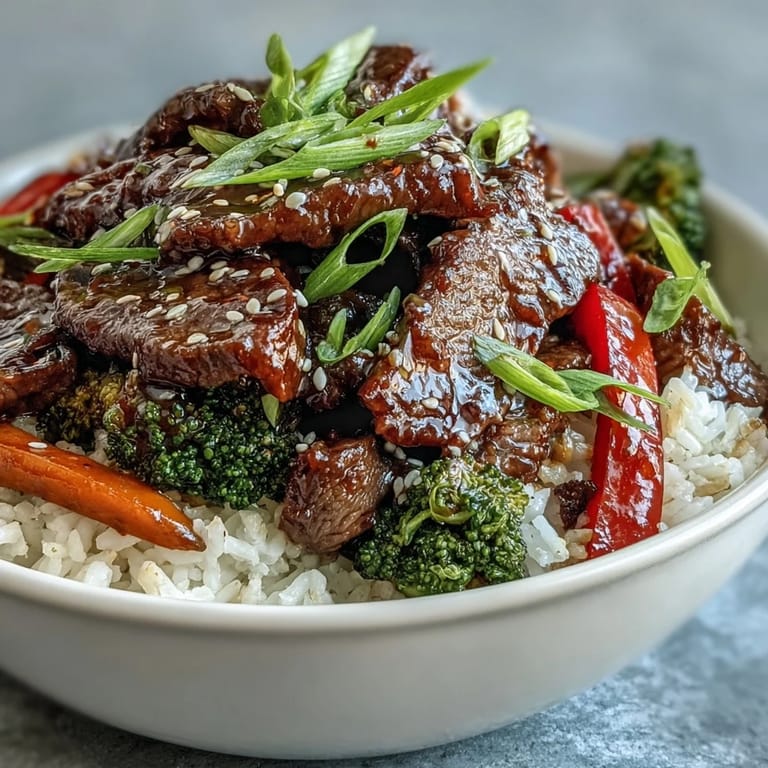
 There's a specific moment when the sauce catches the light just right and coats everything in this glossy amber shine that makes the bowl feel almost too beautiful to eat—but you do anyway, because it smells incredible. That's when you know you've gotten it right.
Building Your Perfect Bowl
The architecture of this dish matters more than you might think—the warm rice at the bottom acts like a sponge for that teriyaki glaze, while the vegetables create little pockets of texture that keep you engaged with every spoonful. I learned this by making bowls carelessly at first, piling everything on top of cold rice, and noticing how flat the result felt. Now I make sure the rice is hot and that vegetables are scattered throughout rather than all clumped together.
Variations That Actually Work
Chicken thighs work beautifully here if you're not in the mood for beef—they stay juicier and more forgiving than breast meat, though they need an extra minute or two to cook through. Tofu is another option that surprised me; pressed firm tofu crisps up in that same oil and soaks up the sauce like a dream, making it a genuinely satisfying vegetarian version rather than a compromise dish. I've also experimented with adding mushrooms, snap peas, and edamame depending on what's in my crisper drawer, and each addition feels like it belongs.
The Sauce Is Everything
This sauce is forgiving enough that you can adjust it to your taste as it simmers—if it tastes too salty, add a touch more mirin or a splash of water; if it's too sweet, rice vinegar is your friend. The balance between salty, sweet, and acidic is what makes this dish sing rather than overwhelm, and it's worth tasting as you go the first time you make it so you understand your own preferences. I've learned that the cornstarch slurry needs to be whisked in smoothly and then cooked for a full 2 to 3 minutes, or it won't thicken properly and your sauce will slide right off the rice.
- Make the sauce ahead if you want—it keeps in the fridge for up to a week and comes together instantly during cooking.
- If your slurry goes lumpy, strain it through a fine mesh before adding to the sauce.
- The sauce will thicken more as it cools, so it should look slightly looser than you want when it's hot.
 Pin it
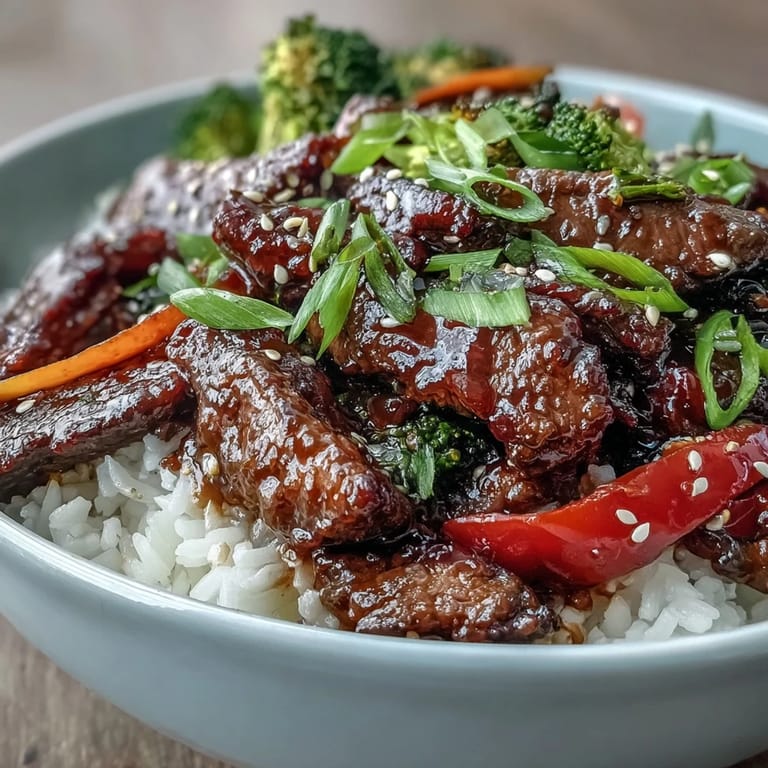
 This bowl has become my go-to when I want something that feels restaurant-quality but doesn't require any special skills or hard-to-find ingredients. Make it once and you'll understand why—it's that good.
Recipe FAQs
- → What cut of beef works best?
Flank steak or sirloin are ideal choices. Slice the beef thinly against the grain for maximum tenderness. You can ask your butcher to slice it for you or partially freeze the meat for easier cutting at home.
- → Can I make this gluten-free?
Yes, substitute regular soy sauce with tamari or a certified gluten-free soy sauce alternative. The cornstarch used for coating and thickening is naturally gluten-free.
- → How do I store leftovers?
Store components separately in airtight containers in the refrigerator for up to 3 days. Reheat the beef and vegetables gently, adding a splash of water if the sauce has thickened too much. Fresh rice is best, but you can reheat refrigerated rice with a sprinkle of water.
- → Can I use other proteins?
Chicken thighs or breast work wonderfully as a substitute. For a plant-based version, use extra-firm tofu pressed and cubed, or seitan for a chewy texture. Adjust cooking time accordingly—chicken may need a few extra minutes while tofu cooks faster.
- → What vegetables can I add?
Snap peas, edamame, shiitake mushrooms, baby corn, or bok choy all complement the teriyaki flavors beautifully. Feel free to use whatever fresh vegetables you have on hand.