 Pin it
 There's something about reindeer stew that pulls you back to a small cabin kitchen in the Finnish countryside, where the smell of slowly braising meat fills every corner. I discovered this dish on a winter trip, watching someone's grandmother stir a pot with the kind of patience that only comes from generations of practice. The meat was impossibly tender, the broth rich and deep, and that final swirl of sour cream transformed it into something almost velvet-like. It's the kind of recipe that makes you understand why people hold onto their food traditions—because it tastes like home, even if you've never been there before.
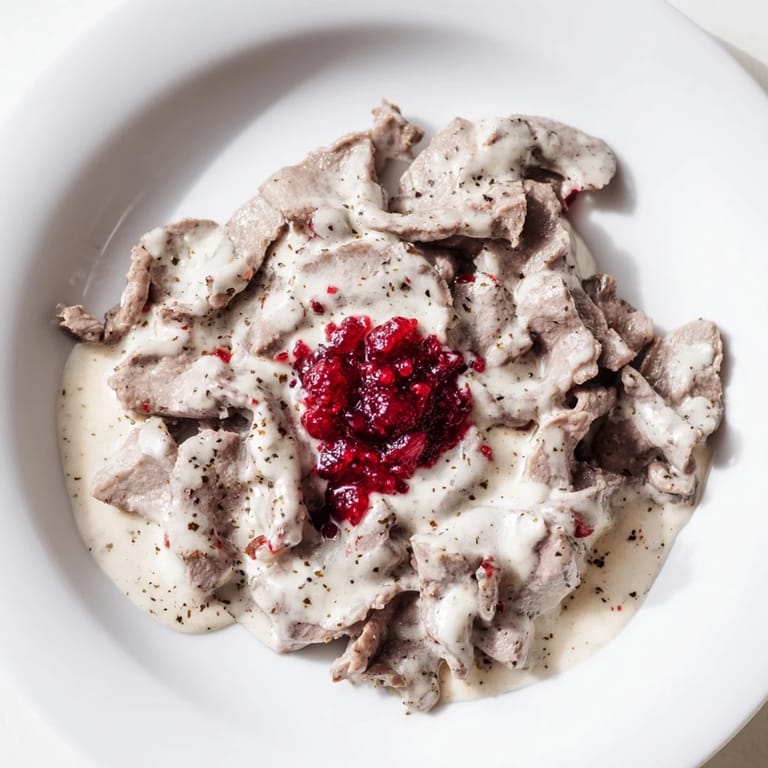
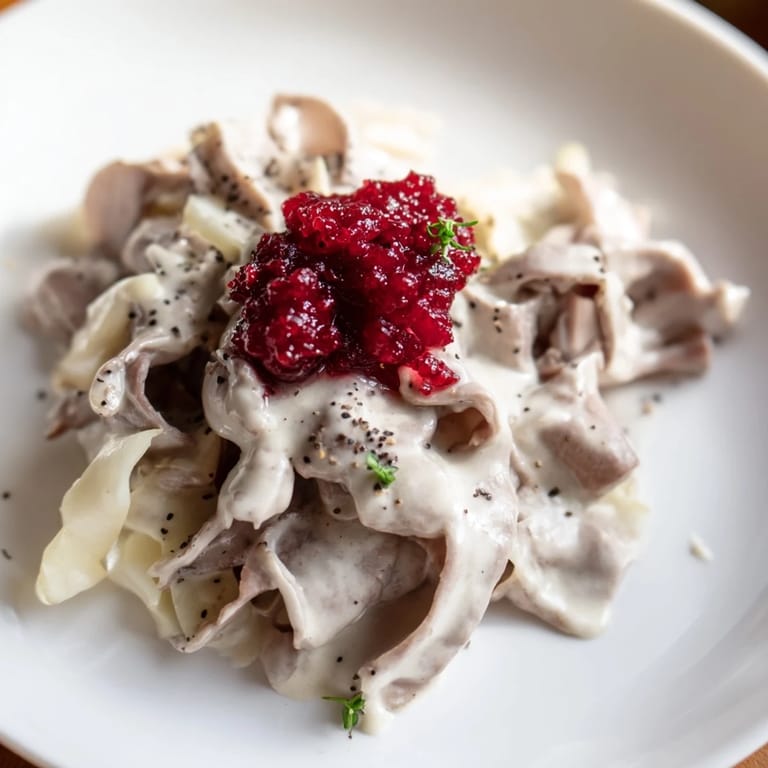
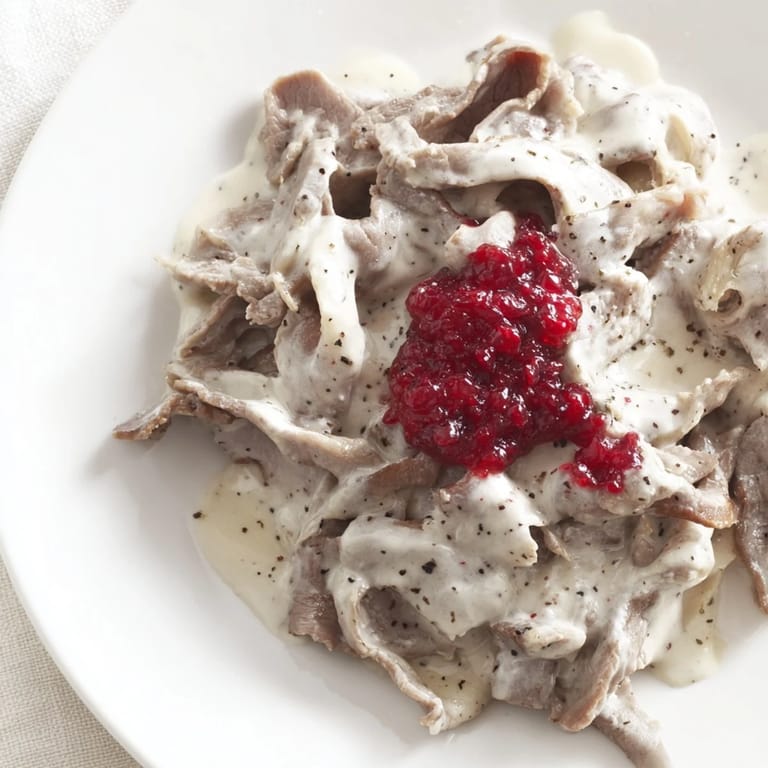
I made this for a dinner party on a cold November evening, and I remember being nervous about the reindeer—would my guests find it too exotic? But the moment everyone tasted it, the table went quiet in that good way, where everyone's just focused on the bowl in front of them. The lingonberries appeared as a bright red dollop on top, like a little secret that made people lean back and ask for the recipe immediately. That night taught me that authentic food doesn't need to be complicated to impress people; it just needs to be true to itself.
Ingredients
- Reindeer meat (800g, thinly sliced): If you can find it, use it—the flavor is distinctly rich and slightly gamey, which is exactly what makes this stew work. If reindeer isn't available where you are, venison gives you the closest experience, though good beef works beautifully too.
- Butter (2 tbsp) and vegetable oil (1 tbsp): The combination keeps the meat from sticking while the butter adds a subtle sweetness that balances the game.
- Sour cream (150 ml): This is your magic ingredient—it transforms a good stew into something luxurious, but add it at the very end so it doesn't split.
- Onions (2 medium, finely sliced) and garlic (2 cloves, minced): These create the flavor foundation and actually dissolve slightly into the broth, thickening it naturally.
- Beef or game stock (300 ml) and water (100 ml): The stock should be good quality—it's not hidden here, it's the backbone of your broth.
- Salt (1 tsp), black pepper (½ tsp), bay leaves (2), and juniper berries (5, lightly crushed): The juniper berries are optional but they're the Nordic fingerprint on this dish—they add an almost piney note that feels authentically Finnish.
- Lingonberry preserves (100g) or fresh lingonberries: These provide the crucial brightness; if you can't find lingonberries, cranberry sauce or even a tart jam works, but lingonberries are worth seeking out.
Tired of Takeout? 🥡
Get 10 meals you can make faster than delivery arrives. Seriously.
One email. No spam. Unsubscribe anytime.
Instructions
- Get your pot ready and brown the meat:
- Heat the butter and oil in your largest, heaviest pot over medium-high heat until you see a shimmer across the surface. Work in batches so you don't overcrowd the pan—the meat needs space to brown rather than steam, and you'll see it develop a golden crust that locks in the flavor. This step takes patience, but it's worth it.
- Build the flavor base:
- Once all the meat is browned and set aside, add your sliced onions to the same pot without washing it out—those browned bits are liquid gold. Let them soften and turn translucent, about five minutes, then add the garlic and cook just long enough to smell it fully bloom, about one minute more.
- Bring it all together:
- Return the meat to the pot and add your salt, pepper, bay leaves, and those crushed juniper berries if you're using them. Pour in the stock and water, then bring it to a gentle simmer—not a rolling boil, which toughens the meat. Cover the pot and let it cook low and slow for about an hour and a half, stirring occasionally, until the meat breaks apart easily with a fork.
- Reduce and finish:
- Remove the lid for the last ten minutes so some of the liquid evaporates and the flavors concentrate. Then, and this is important, turn off the heat before you stir in the sour cream—if the pot is still bubbling hard, the cream might curdle. Stir it in gently and let it warm through for just two or three minutes, then taste and adjust your salt and pepper.
 Pin it
 I learned the real magic of this dish when I realized it tastes even better the next day, once all the flavors have had time to get to know each other. There's something deeply comforting about a stew that improves with time, that asks nothing from you but a gentle reheat and a fresh bowl.
Why Serve It This Way
Mashed potatoes aren't just a side—they're essential, a creamy canvas that lets the stew shine. The lingonberries aren't decoration; they're a flavor anchor, their tartness cutting through the richness so each spoonful feels fresh and alive. This combination is traditional for a reason: it works so well that nobody ever thought to change it.
Making It Your Own
Once you've made this the traditional way, you have room to explore. Some people splash in dark beer or red wine with the stock, which deepens everything and adds a subtle sweetness. Pickled cucumbers are another traditional pairing, and their brine cuts through the cream in a different way than the berries do. The dish is sturdy enough to handle these variations while still tasting authentically Nordic.
Storage and Reheating
This stew keeps beautifully in the refrigerator for three or four days, and it actually tastes better as it sits—the flavors deepen and the meat becomes even more tender. Reheat it gently on the stove over medium-low heat, stirring occasionally, until it's warmed through.
- You can freeze it for up to two months (though it's so easy to make that you probably won't need to).
- If you do freeze it, leave out the sour cream and stir it in fresh when you reheat the thawed stew.
- The lingonberries should go on just before serving, while they're still bright and perfect.
 Pin it
 This is the kind of recipe that reminds you why people cook—because food made with intention and good ingredients connects you to places you've never been and people you've never met. Make it, taste it, and you'll understand.
Recipe FAQs
- → Can venison or beef replace reindeer meat?
Yes, venison or beef can be used as substitutes, providing a similar gamey flavor and texture suitable for slow cooking.
- → What role do juniper berries play in the stew?
Juniper berries add a subtle pine-like aroma and slightly sweet, resinous notes that enhance the dish's authentic Nordic profile.
- → How should the stew be served traditionally?
It is typically served hot with creamy mashed potatoes and lingonberry preserves or fresh lingonberries on the side.
- → Is it necessary to use sour cream in the final step?
Sour cream adds a creamy texture and mild tang that balances rich flavors but can be omitted or replaced with alternatives if dairy is avoided.
- → Can this dish be made gluten-free?
Yes, using gluten-free stock ensures the stew remains suitable for gluten-free diets without compromising flavor.