 Pin it
 The first time I made cepelinai, my hands were shaking from the effort of squeezing potato water through cheesecloth while my grandmother watched silently from across the kitchen. She'd never shown me the recipe before, just handed me a bag of starchy potatoes and a knowing look. There's something about these Lithuanian dumplings that demands respect—they're not delicate or forgiving, but when you finally shape that first one and it holds together, you understand why families have been making them for generations. The potato smell fills your kitchen in a way that feels almost ceremonial, earthy and clean.
I remember serving these to my partner's family for the first time, nervous about whether I'd gotten it right, and watching his mother take one bite before nodding and asking for seconds. That quiet approval meant more than any elaborate compliment ever could. Now whenever we make them, that same kitchen fills with the kind of warmth that only comes from cooking something that matters.
Ingredients
- Starchy potatoes (1.5 kg raw, peeled): Use russets or other high-starch varieties; waxy potatoes won't give you the right texture and you'll spend extra time squeezing.
- Boiled and mashed potatoes (2 medium): These add moisture and help the raw potato dough hold together without becoming gluey.
- Salt (1 tsp): Don't skip this in the dough itself; it seasons from the inside out.
- Potato starch (1 tbsp, optional): This is your safety net if the dough feels too wet—it's worth keeping on hand.
- Ground pork (250 g) and ground beef (150 g): The combination gives you depth; pork alone feels lighter, beef alone feels heavy, but together they're balanced.
- Onion and garlic for the filling: Finely chopped, they dissolve into the meat and disappear, but their flavor is essential.
- Salt and pepper for the filling (1 tsp salt, ½ tsp pepper): Season generously here—the filling is what makes or breaks these dumplings.
- Bacon or smoked pork belly (150 g, diced): Smoked pork belly adds a richer, deeper flavor than regular bacon if you can find it.
- Sour cream (300 ml): Room temperature is important so it doesn't split when you add it to the hot pan.
- Fresh dill (1 tbsp, chopped, optional): Don't skip this; it's not decoration, it's a flavor anchor.
Tired of Takeout? 🥡
Get 10 meals you can make faster than delivery arrives. Seriously.
One email. No spam. Unsubscribe anytime.
Instructions
- Squeeze the potatoes until your hands hurt:
- Grate the raw potatoes on the fine side of your grater, working quickly so they don't oxidize and turn gray. Wrap them in cheesecloth and squeeze like your life depends on it—this is not the time to be gentle. The more liquid you get out, the better your dough will be.
- Let gravity and time help with the starch:
- Pour the squeezed liquid into a bowl and let it sit for a few minutes; the starch will settle to the bottom as a white layer. Carefully pour off the water and save that starch—it's liquid gold for your dough.
- Build your dough base:
- Mix the squeezed raw potatoes, mashed boiled potatoes, salt, and any reserved starch until it comes together into something that feels alive in your hands. It should be soft but hold a shape; if it's sticky, add more starch a tiny bit at a time.
- Combine and taste the filling:
- Mix pork, beef, chopped onion, minced garlic, salt, and pepper in a separate bowl until everything is evenly distributed. Brown a tiny pinch in a skillet to taste it raw and adjust seasoning if needed.
- Shape with wet hands and patience:
- Wet your hands so the dough doesn't stick, take a portion about the size of a large egg, flatten it into a patty, and place a heaping tablespoon of meat filling in the center. Fold and shape gently around the filling until it's a sealed oval, like a small potato football.
- Simmer, never boil:
- Bring salted water to a gentle simmer in a large pot—boiling water will break the dumplings apart. Slide them in carefully, a few at a time, and let them cook for 25–30 minutes until they float and feel firm when you touch them.
- Make the sauce while they cook:
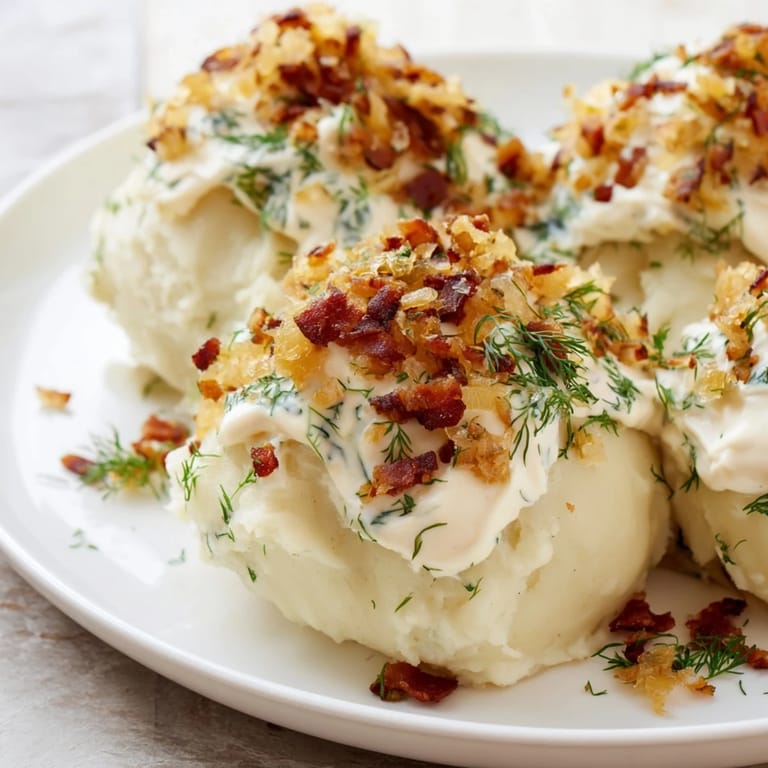
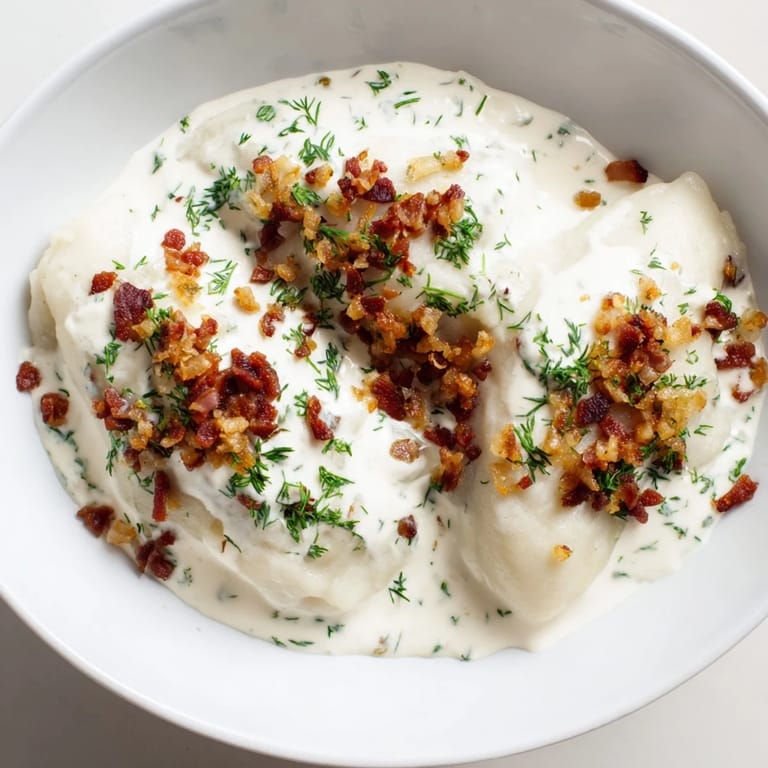
- Fry the diced bacon until crisp, add finely chopped onion and cook until golden, then gently stir in room-temperature sour cream and fresh dill. Keep the heat low—sour cream can split if you're not careful.
- Serve and celebrate:
- Drain the dumplings carefully with a slotted spoon and plate them while hot, generously topping each one with the bacon and sour cream sauce. They're best eaten immediately, while the potato is still steaming.
 Pin it
 There's a moment when you're standing over the pot, watching these dumplings bob up to the surface one by one, that you realize you've just made something that people have been making in small Lithuanian kitchens for centuries. That continuity, that line of hands shaping potatoes and meat, is what makes this dish more than just dinner.
The Art of Getting the Dough Right
The dough is honestly the trickiest part, not because it's complicated, but because it's so sensitive to moisture. Every potato is different—some are watery, some are dryer—and you have to adjust as you go. I've learned to squeeze the grated potatoes and then squeeze them again, because that extra minute of effort saves you from a dough that's too sticky to work with. The boiled potatoes add structure and flavor, but they also add moisture, so start with less starch than you think you need and add more only if the dough really demands it.
Making Them Ahead and Freezing
I shape mine the night before and freeze them on a sheet pan, which gives me the option to cook them straight from frozen without thawing. They take about 35 minutes instead of 25–30 when frozen, but they cook evenly and there's something nice about having that backup ready in your freezer. You can also make a double batch and freeze half for weeks; they'll keep for at least a month if wrapped well.
Variations and What Works
Once you've made these a few times, you can start playing with the filling. Some families use all pork, some use all beef, and both work beautifully. I've tried a vegetarian version with mushrooms and onions for friends who don't eat meat, and it's equally satisfying as long as you season it well and cook it down until it's concentrated and golden.
- A mushroom and onion filling can be just as hearty if you sauté it slowly until golden and season aggressively.
- Serve with extra dill or fresh chives on top if you want brightness alongside the richness of the sauce.
- Leftover dumplings are excellent fried in butter the next day until golden on the outside.
 Pin it
 Making cepelinai teaches you that food doesn't have to be complicated to be meaningful. These dumplings ask for your attention and your hands, and in return, they become something people remember.
Recipe FAQs
- → What type of potatoes is best for Cepelinai?
Starchy potatoes are ideal as they provide the right texture when grated and mashed, offering a chewy yet tender dumpling exterior.
- → How do you prevent Cepelinai from falling apart during cooking?
Properly squeezing out excess liquid from grated potatoes and using potato starch as a binder help maintain the dough's structure when simmered.
- → Can the filling be altered?
Yes, while traditional filling uses ground pork and beef with spices, variations include substituting mushrooms for a vegetarian alternative.
- → What is the best way to cook these dumplings?
Simmer the dumplings gently in salted water, avoiding boiling, until they float and feel firm to the touch, usually 25-30 minutes.
- → How is the sauce prepared?
Crisp diced bacon and sautéed onions combined with sour cream and fresh dill create a rich, flavorful sauce to complement the dumplings.