 Pin it
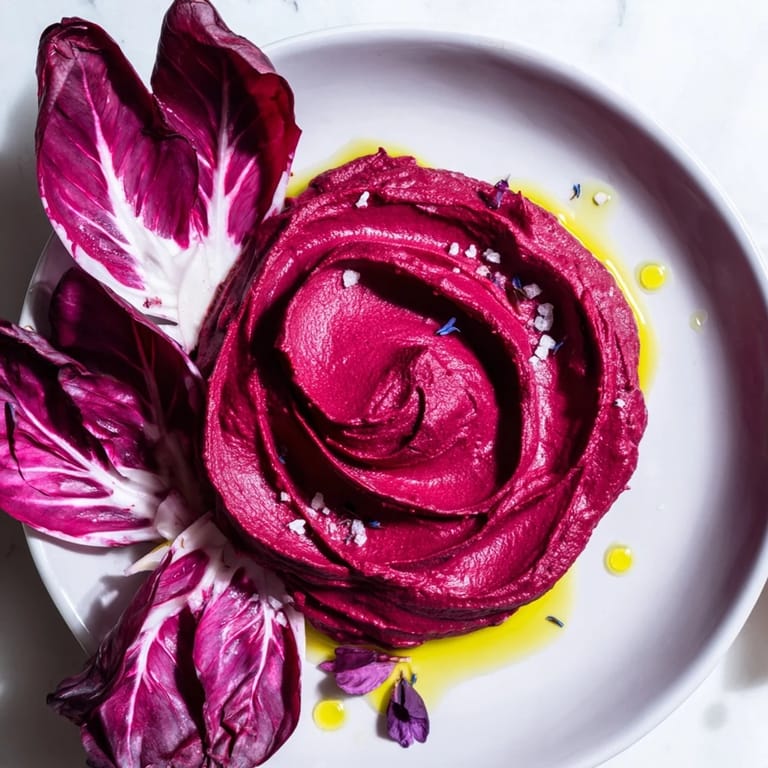
 I discovered this dish entirely by accident while reorganizing my kitchen and stumbling upon a beet I'd forgotten about. Instead of tossing it, I roasted it out of curiosity and ended up with the most stunning deep crimson hummus I'd ever made. The moment I piped it onto a plate in swirls, my kitchen felt less like a workspace and more like a canvas. What started as salvaging forgotten produce turned into something I now make whenever I want to impress without the fuss.
Last spring I made this for a dinner party where one guest mentioned she couldn't eat much that evening. Watching her face light up when she realized the hummus was vegan, the radicchio leaves were naturally gluten-free, and she could eat as much as she wanted—that moment made me understand why this dish has stuck around my kitchen ever since.
Ingredients
- Beet (1 large, about 200g): The star that gives this hummus its jewel-toned color and earthy sweetness; wrapping it in foil keeps the flavors contained and the roasting even.
- Chickpeas (1 can, 400g, drained and rinsed): These provide the creamy body that transforms the beet into something silky and substantial enough to pipe into roses.
- Tahini (2 tbsp): This is your secret to that impossibly smooth texture; it also grounds the sweetness of the beet with a subtle nuttiness.
- Extra-virgin olive oil (2 tbsp, plus 1 tbsp for drizzling): The good stuff matters here because it's a starring ingredient, not hidden in the background.
- Garlic clove (1 small, minced): Just enough to add depth without overpowering; start with less if you're sensitive to raw garlic.
- Lemon juice (juice of 1 lemon): This brightens everything and keeps the hummus from tasting one-dimensional.
- Ground cumin (1/2 tsp): A whisper of warmth that ties the earthiness together.
- Salt and black pepper (1/2 tsp salt, freshly ground pepper to taste): Taste as you go because the beet's natural sweetness means you'll need more seasoning than you'd expect.
- Cold water (2-3 tbsp as needed): This is your texture control; add it slowly and feel the difference each tablespoon makes.
- Radicchio (1 small head, leaves separated and washed): These bitter, crisp leaves are the perfect contrast to the creamy hummus and double as both plate and utensil.
- Flaky sea salt and microgreens or edible petals (for finishing): These aren't afterthoughts; they're what make someone stop mid-conversation to take a photo.
Tired of Takeout? 🥡
Get 10 meals you can make faster than delivery arrives. Seriously.
One email. No spam. Unsubscribe anytime.
Instructions
- Roast the beet until it yields:
- Wrap your beet tightly in foil and let the oven work its magic at 400°F for 40 to 45 minutes until a fork pierces it like butter. The whole kitchen will smell like concentrated earthiness—that's your signal it's ready.
- Blend until obsessively smooth:
- Combine the cooled, peeled beet with chickpeas, tahini, oil, garlic, lemon juice, cumin, salt, and pepper in a food processor and let it run until everything disappears into deep crimson creaminess. Scrape the sides often because hummus has a way of clinging to the edges just when you think you're done.
- Adjust the texture with cold water:
- Add water one tablespoon at a time while pulsing, tasting between additions until the hummus reaches that luxurious spreadable stage. You want it thick enough to hold a shape but soft enough to swirl effortlessly.
- Pipe into roses with intention:
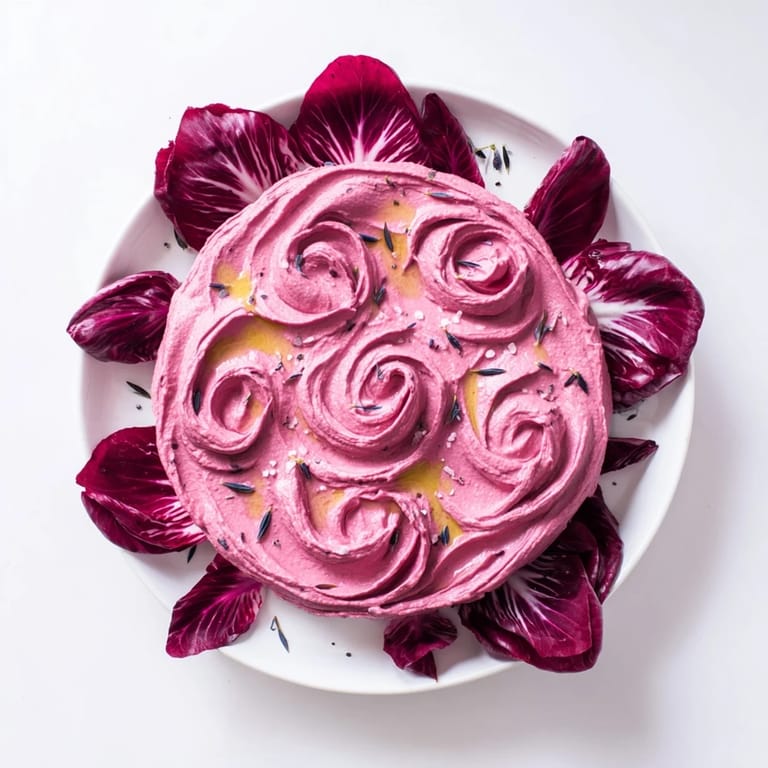
- Transfer the hummus to a piping bag fitted with a large star tip and pipe it onto your serving plate in overlapping swirls that spiral upward, rotating your hand slightly with each layer. If you don't have a piping bag, use the back of a spoon to create organic swirls that are just as beautiful.
- Frame your roses with radicchio:
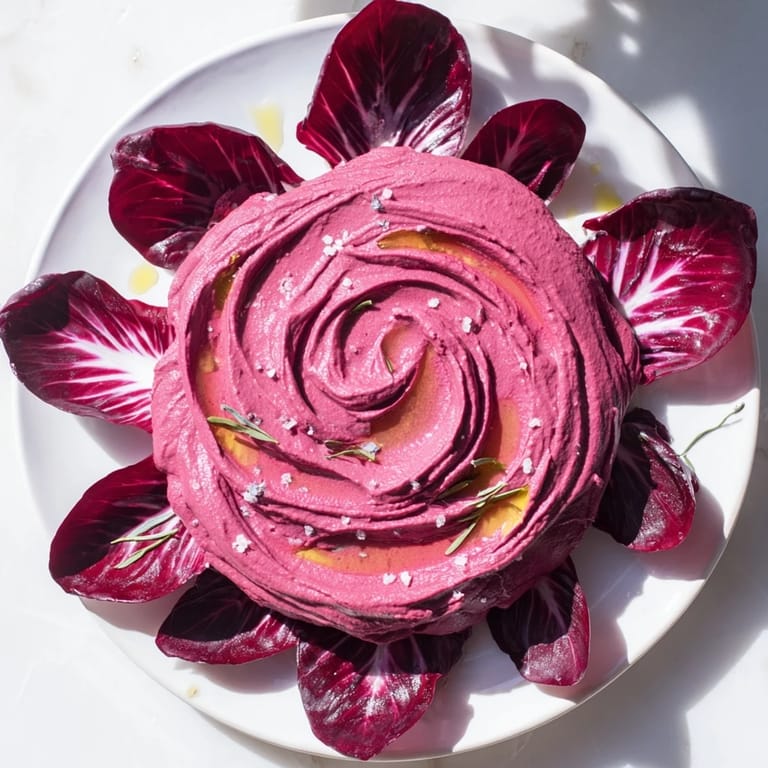
- Arrange the separated radicchio leaves around each hummus rose so they fan outward like actual petals. This isn't just for looks; these leaves become your dippers.
- Finish with restraint:
- Drizzle a thin stream of olive oil across the hummus, sprinkle flaky sea salt where it catches the light, and scatter microgreens or edible petals if you have them. Step back and let the dish speak for itself.
 Pin it
 There's something about presenting food that looks too beautiful to eat that changes the entire mood of a gathering. I watched my neighbor's daughter ask permission before taking a piece, as if eating art required consent—and that's when I realized this dish does something beyond nourishing; it creates a moment.
The Art of Roasting Beets
Wrapping beets in foil is more than a cooking method; it's a form of patience that pays dividends. The foil traps steam, which softens the beet evenly and makes peeling almost effortless once everything cools. I've learned that rushing this step by using pre-cooked beets creates a hummus that tastes flat, almost one-dimensional, as if something essential was lost in someone else's kitchen. When you roast your own, you control the depth.
Why Radicchio Becomes Both Plate and Serving Piece
Radicchio's bitter edge is precisely what this creamy, earthy hummus needs to stay interesting bite after bite. I've tried other leaves and chips over the months, but nothing matches the crisp snap or the visual drama of those burgundy and white stripes. The leaves are sturdy enough to hold a scoop of hummus without tearing and delicate enough to look intentional on the plate.
Small Details That Matter Most
The difference between a good hummus and a transcendent one often comes down to things nobody mentions until you've made it wrong. The temperature of your water changes everything—cold water creates air bubbles that lighten the texture, while room-temperature water just sits there. The timing of your lemon juice matters too; add it early enough to brighten, late enough that it doesn't curdle the tahini if you're nervous.
- Invest in a good piping bag because cheap ones split under pressure and ruin the moment you were building.
- Taste your hummus at room temperature, not straight from the food processor, because flavors shift as it settles.
- Make this the morning of your gathering so the hummus stays cold and the radicchio stays crisp all through dinner.
 Pin it
 The Velvet Rose isn't just an appetizer; it's a conversation starter disguised as hummus. Make this once and you'll keep returning to it whenever you want to show up for people in the most genuine way your kitchen knows how.
Recipe FAQs
- → How do I achieve the smooth texture for the beet hummus?
Roast the beet until fork-tender, then blend thoroughly with chickpeas, tahini, olive oil, lemon juice, and seasonings. Adding cold water gradually helps achieve a creamy consistency.
- → What is the best way to create rose shapes with the hummus?
Use a piping bag fitted with a large star tip for precise swirls. Alternatively, a spoon can gently swirl the hummus to form rose-like patterns on the plate.
- → Can I substitute radicchio with other greens?
Yes, endive or Belgian endive leaves also work well as crisp, slightly bitter accents that complement the beet hummus.
- → How do I enhance the flavor of the beet hummus?
Add a pinch of smoked paprika for a subtle smoky depth or adjust lemon and garlic levels to taste for brighter or more pungent notes.
- → Is this dish suitable for special diets?
It's naturally vegan and gluten-free. Be mindful of sesame allergy due to tahini content, and check for any cross-contamination if needed.
- → How long does roasting the beet take?
Roast the beet wrapped in foil at 400°F (200°C) for 40 to 45 minutes until tender.